Australia’s Electric Vehicle Market Surges Past 26% in April 2026
Continued Growth in Australian EV Adoption
Australia’s transition to electrified mobility continues to accelerate, with April 2026 marking another milestone for plug-in vehicles. According to the latest data, a total of 25,087 plug-in vehicles were sold in the country last month, accounting for nearly 27% of the overall automotive market. This represents a significant leap from just a few years ago, signaling that Australian consumers are increasingly embracing both battery electric vehicles (BEVs) and plug-in hybrid electric vehicles (PHEVs).
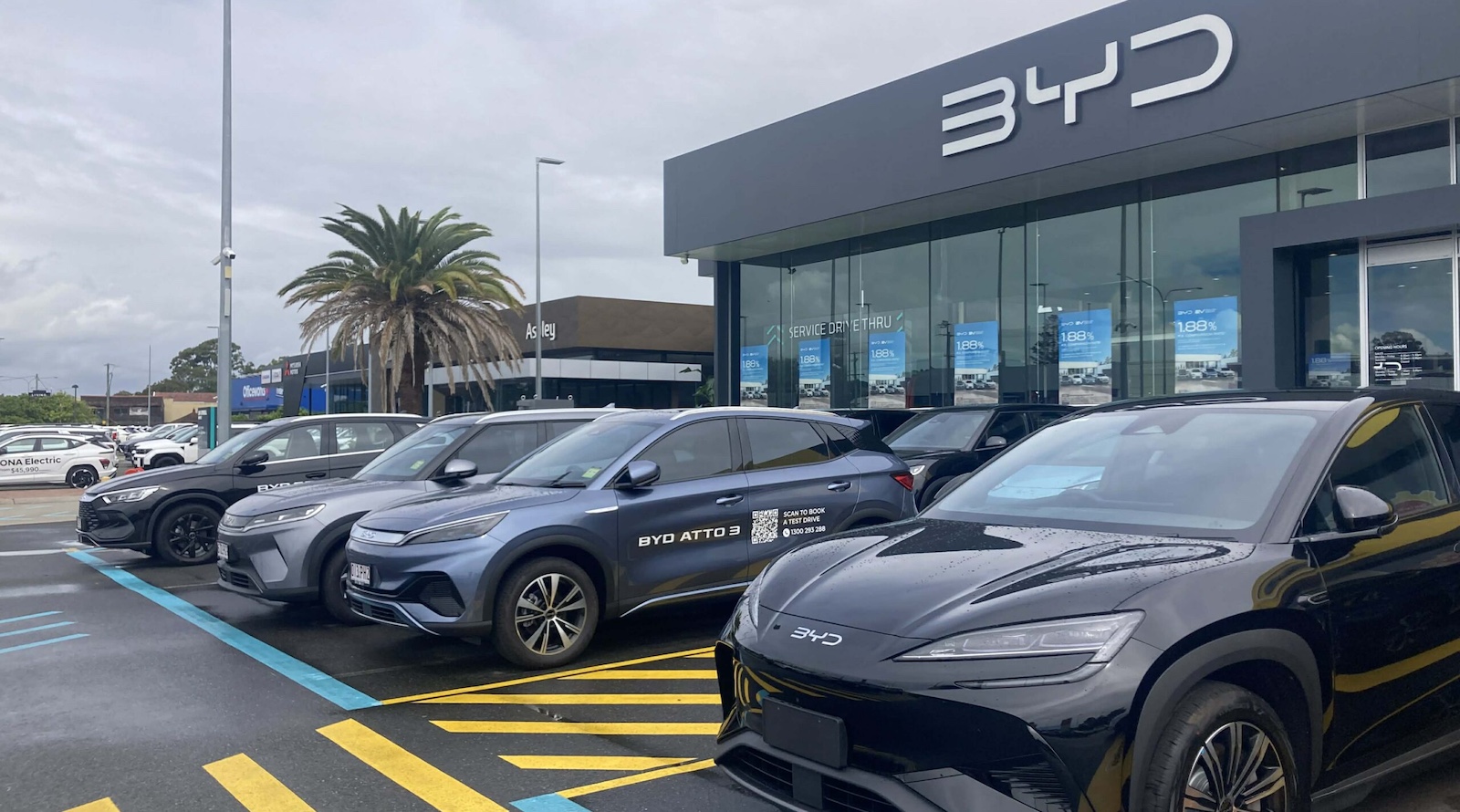
April 2026 Sales Snapshot
In April 2026, the Australian new vehicle market recorded 94,049 sales in total. Within that, plug-in vehicles—consisting of BEVs and PHEVs—accounted for 25,087 units. Breaking this down:
- Battery Electric Vehicles (BEVs): 15,459 units sold
- Plug-in Hybrid Electric Vehicles (PHEVs): 9,628 units sold
Together, these figures give plug-in vehicles a 26.7% market share for the month. While BEV numbers remained relatively stable month-over-month, PHEVs demonstrated notable growth, rising from previous months’ totals. This trend suggests that while pure electrics hold a steady customer base, the convenience of a backup engine is winning over a growing segment of buyers.
BEVs Hold Steady, PHEVs See Surge
The April data reveals a tale of two powertrains. BEV sales of 15,459 units are essentially flat compared to March 2026, indicating that the segment may be experiencing a consolidation phase after rapid growth. In contrast, PHEV sales jumped to 9,628 – a significant increase that pushed the combined plug-in share higher. This shift could be attributed to several factors, including the introduction of new PHEV models with extended electric range, competitive pricing, and growing consumer awareness of their suitability for long-distance travel in a country with varying charging infrastructure.
Notably, the overall Australian market saw 94,049 vehicles sold, a figure that includes traditional internal combustion engine cars, hybrids, and other powertrains. The steady BEV numbers suggest that the electric-only segment is not losing steam but rather maturing, while the PHEV surge indicates that many buyers are taking a transitional step toward full electrification.
Factors Driving Australia's EV Transition
Several key factors are underpinning the continued rise in EV penetration Down Under. From government policies to corporate commitments, the ecosystem supporting electric mobility is strengthening.
Policy Support and Incentives
Federal and state governments have implemented a range of incentives to encourage EV adoption. These include reduced registration fees, purchase rebates, and exemptions from stamp duty in certain states. Additionally, the introduction of fuel efficiency standards is pushing automakers to supply more low-emission vehicles to the Australian market. The result is a broader selection of affordable plug-in models, from compact city cars to family SUVs, giving consumers more choice than ever before.
Expanding Charging Infrastructure
A growing network of public charging stations is also alleviating range anxiety. Both ultra-rapid charging hubs along major highways and destination chargers in urban areas are being rolled out by public and private entities. By April 2026, the number of public charging points across Australia had increased by over 40% year-on-year, making it easier for EV owners to travel longer distances.
Outlook for the Remainder of 2026
With plug-in vehicles now commanding more than a quarter of monthly sales, Australia is on track to see record EV adoption for the full year. The steady BEV performance combined with surging PHEV uptake suggests that total electrified sales may approach 30% market share by the end of 2026. Supply chain improvements, declining battery costs, and new model launches—including several long-range electric vehicles from both legacy and new manufacturers—are expected to sustain momentum.
Moreover, as the used EV market develops, more budget-conscious consumers will have access to affordable plug-in options. The April 2026 update from CleanTechnica underscores that Australia is no longer a laggard in the global EV transition—it is rapidly catching up, with consumers driving the change.
For more details on the original report, visit CleanTechnica.
Related Articles
- Japanese Motorcycle Giants Rev Up for an Electric Future
- 10 Key Insights on Pairing Wind Farms with Massive Battery Storage Systems
- 10 Smart Reasons to Choose ESUNYD Solar Fence Lights for Your Outdoor Space
- Electric Trucks Achieve Profitability as Diesel Declines, CEO Confirms
- AI and Energy Synergy: How the Genesis Mission Is Forging American Leadership
- How to Design and Submit Wallpapers for a Monthly Creative Series: A May 2026 Guide
- What the Freeze of 165 US Wind Projects Means for Renewable Energy
- BYD Song Ultra EV: 60,000 Orders in One Month, Starts at $22,000 – Everything You Need to Know