The Youngest Northerner: 11,000-Year-Old Toddler Unearthed in Cumbrian Cave Rewrites Ancient History
A Tiny Life from the Dawn of the Holocene
In a remarkable archaeological find, scientists have identified the oldest known human remains from Northern Britain—a young girl who lived approximately 11,000 years ago. Discovered in a cave in Cumbria and affectionately nicknamed the “Ossick Lass,” this toddler was estimated to be between 2.5 and 3.5 years old at the time of her death. Her remains, along with nearby jewelry and signs of multiple burials, suggest that the cave held profound spiritual significance for some of Britain's earliest hunter-gatherers. This discovery is shedding new light on life—and death—just after the last Ice Age.
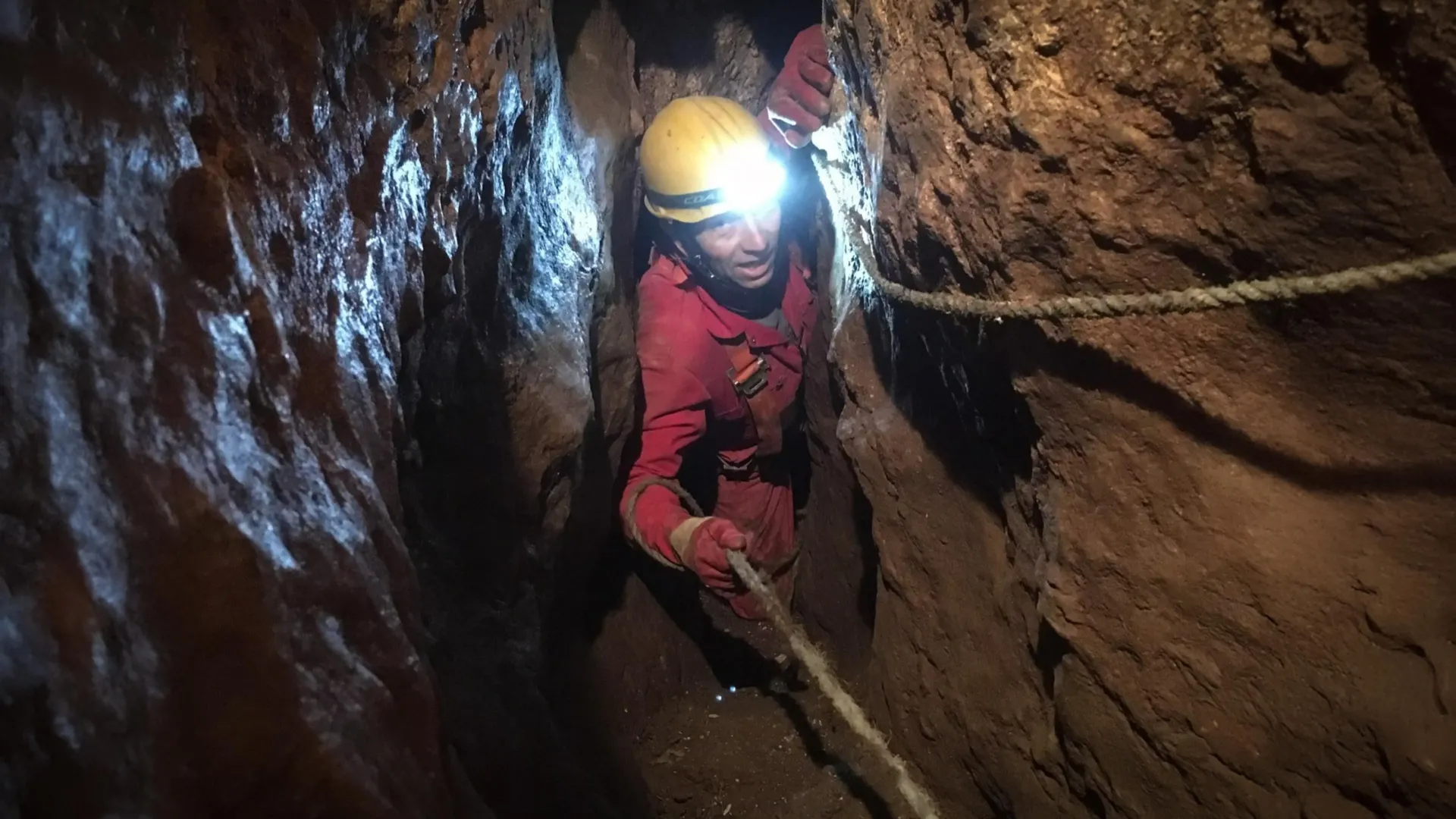
The Discovery and Its Context
The skeletal fragments were first uncovered decades ago during excavations in a limestone cave in the Yorkshire Dales region of Cumbria. However, it wasn't until recent advances in DNA analysis that the remains could be accurately dated and identified. Radiocarbon dating placed the bones squarely in the early Mesolithic period, around 9,000 BCE, making the girl the oldest documented human from northern England and Scotland combined.
The Cave as a Sacred Space
Archaeologists found not only the girl's remains but also a variety of grave goods, including perforated animal teeth and shells that may have been strung as necklaces or bracelets. The presence of these items, coupled with evidence of several other interments in the same cave, indicates that the site was used repeatedly over generations as a burial ground. This suggests that the cave was considered a special place—perhaps a portal to the spirit world or a marker of ancestral territory.
Life in Post-Ice Age Britain
The period when the Ossick Lass lived was a time of dramatic environmental change. The vast ice sheets that had covered much of Britain were retreating, and forests of birch, pine, and hazel were spreading across the landscape. Hunter-gatherer groups roamed these woodlands, hunting deer, wild boar, and gathering nuts, berries, and edible plants. The girl's young age and the care taken in her burial indicate that even the smallest members of these communities were valued and mourned.
DNA Analysis Reveals Ancestry and Appearance
Modern genetic techniques allowed scientists to extract and sequence DNA from the fragile bones. The results showed that the Ossick Lass had dark skin, dark hair, and blue eyes—a combination commonly seen among early European hunter-gatherers. Her genes also linked her to populations that migrated into Britain from the continent after the Ice Age, confirming that she belonged to the first permanent settlers of the region.
Osteological and Dietary Clues
Analysis of her teeth and bones provided insight into her short life. The wear patterns on her baby teeth suggest she had begun eating solid foods, likely a diet rich in meat and plant foods. Stable isotope analysis indicated that her mother probably breastfed her for at least the first year, consistent with patterns observed in other ancient infant burials. Such details help paint a picture of daily existence in a world that was both harsh and full of possibility.
Implications for Understanding Mesolithic Society
The discovery of such an ancient infant burial in northern Britain challenges previous assumptions about the region's human occupation. It shows that hunter-gatherer groups were present at high latitudes shortly after the ice retreated, adapting quickly to new environments. The care shown in the burial—placing the girl with adornments and in a repeated-use site—suggests complex social and spiritual beliefs. These findings align with evidence from other early Mesolithic sites across Europe, indicating a shared cultural framework among early post-glacial peoples.
Comparisons with Other Ancient Remains
The Ossick Lass joins a small but growing list of very early British skeletons, such as the Cheddar Man (about 10,000 years old) from Somerset. However, she is the oldest from the northern reaches of Britain. Her DNA, when compared to that of other ancient individuals, helps researchers trace the movements and interactions of early human groups flowing into the British Isles after the ice melted.
Legacy and Continued Research
The findings were published in a peer-reviewed journal, attracting attention from archaeologists and geneticists worldwide. The cave site continues to be studied, with researchers hoping to uncover more artifacts that might explain the rituals performed there. The Ossick Lass has already become a symbol of the deep human history embedded in the British landscape—a reminder that even the most ancient lives leave lasting marks.
FAQs about the Ossick Lass
- How old are the remains? Approximately 11,000 years old, dating to the early Mesolithic period.
- Where were they found? In a limestone cave in Cumbria, northern England.
- Why is the discovery important? It is the oldest known human remains from northern Britain, providing insights into early post-glacial settlement and burial practices.
- What does the DNA tell us? The girl had dark skin, dark hair, and blue eyes, typical of early European hunter-gatherers, and she belonged to a population that migrated from the continent.
Conclusion
The tale of the Ossick Lass unfolds through the painstaking work of scientists and the whispers of ancient DNA. She was just a toddler when she died, but her remains have become a key to unlocking the story of how humans reclaimed a frozen land and transformed it into a home. Each bone, each bead, each grain of pollen from the cave floor adds a chapter to a narrative that began 11,000 years ago—and continues to unfold today.
Related Articles
- Geosynchronous Orbit: The New Frontier for Space Surveillance Competition
- NASA's Next-Gen Mars Helicopters Soar with Rotor Breakthrough, 2028 Mission Planned
- 7 Essential Tactics for Reviewing Agent-Generated Code Pull Requests
- The Hidden Cost of Instant Gratification: How E-Commerce Warehouses Push Workers to the Limit
- Astronomers Uncover 10,000 New Exoplanet Candidates, Potentially Tripling Known Alien Worlds
- A Comprehensive Guide to SpaceX CRS-34: NASA's Commercial Resupply Mission to the ISS
- Mastering CSS rotateX(): 6 Essential Things You Need to Know
- 10 Stunning Satellite Views of SpaceX's Falcon Heavy Comeback Launch