From Coal to Clean Energy: A Step-by-Step Guide to Developing a Solar and Battery Project on a Former Mine Site
Overview
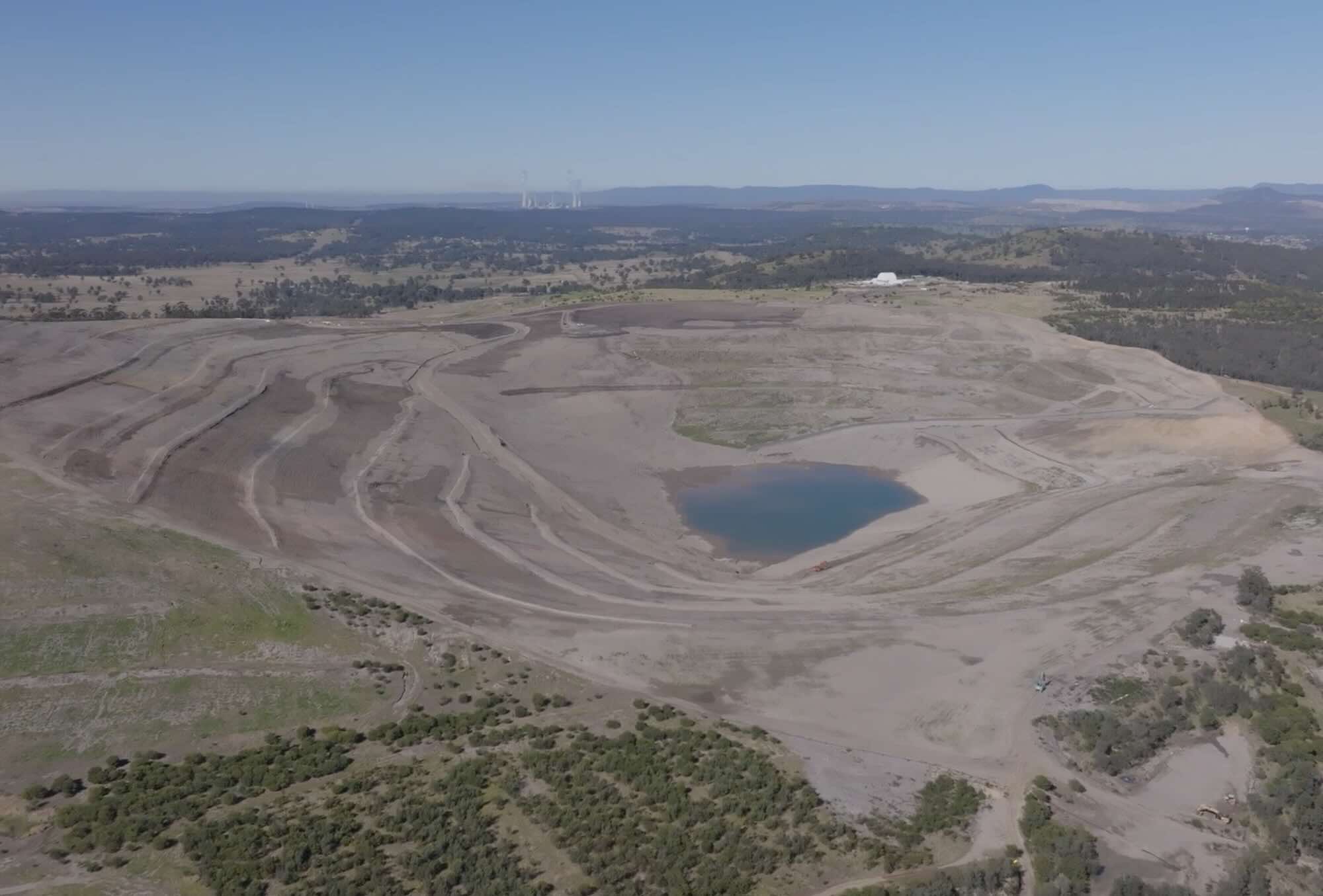
Transforming a former coal mine into a solar farm and battery storage project is a powerful symbol of the energy transition. A real-world example is the Amazon-backed initiative at a former coal mine site, which just reached financial close and will begin construction immediately. This tutorial provides a comprehensive, step-by-step guide to undertaking such a project, covering everything from initial feasibility studies to final commissioning. Whether you're a developer, investor, or energy professional, these steps will help you navigate the complexities of brownfield solar-plus-storage development.
Prerequisites
Site Assessment and Permitting
- Geotechnical studies: Analyze soil stability, contamination (from mining), and drainage. Former mine sites often require remediation (e.g., acid mine drainage treatment).
- Environmental impact assessment (EIA): Evaluate effects on local wildlife, water sources, and land use. Obtain necessary permits from local, state, and federal agencies.
- Solar resource assessment: Use historical irradiance data (e.g., from NREL's NSRDB) to estimate annual energy yield. For a mine site, also consider shading from remaining structures.
- Grid interconnection study: Determine capacity and costs to connect to the nearest transmission line. Mine sites may have existing high-voltage infrastructure, a major advantage.
Financial Closure and Partnerships
- Offtake agreements: Secure a long-term Power Purchase Agreement (PPA) with a creditworthy off-taker. In our example, Amazon provides a corporate PPA, ensuring revenue stability.
- Debt and equity financing: Assemble a capital stack. For large projects, financial close requires binding commitments from lenders and investors. Use financial models (e.g., in Excel or Python) to project cash flows, IRR, and payback period.
- Insurance and guarantees: Obtain construction and operational insurance, plus performance guarantees from equipment suppliers.
Technical Specifications
- Solar PV array: Select modules (monocrystalline bifacial typically best), inverters (string or central), and mounting systems (ground-mount with tracking optional). For a mine site, consider terrain challenges.
- Battery energy storage system (BESS): Choose chemistry (Li-ion NMC or LFP), power rating (MW), and energy capacity (MWh). Sizing depends on the PPA's demand profile and grid services.
- Balance of plant: Transformers, switchgear, SCADA, and security systems.
Step-by-Step Instructions
Phase 1: Planning and Design (Months 1–8)
- Conduct a feasibility study: Combine geotechnical, environmental, and solar data. Model energy yield using a script like the one below (simplified for illustration).
- Obtain permits: Submit EIA, request zoning changes (if needed), and apply for building permits. Engage with local communities early.
- Detailed engineering: Design the PV layout (maximize spacing to avoid inter-row shading), BESS container placement, and underground cables. Use PVsyst or Helioscope for layout optimization.
# Simplified Python script for annual energy yield estimation (kWh/kWp)
def estimate_yield(latitude, longitude, tilt, capacity_kW):
    # Placeholder: replace with real data from NSRDB
    annual_insolation_kWh_per_m2 = 1800  # typical for sunny region
    module_efficiency = 0.20
    area_per_kW = 5  # m2
    yearly_yield = capacity_kW * annual_insolation_kWh_per_m2 * module_efficiency
    return yearly_yield

# Example for 50 MW plant
print(estimate_yield(40.5, -80.0, 25, 50000))  # Output: 18,000,000 kWh
Phase 2: Procurement and Construction (Months 9–18)
- Site remediation: Remove hazardous materials, stabilize slopes, and cap mine tailings if needed. Follow local environmental guidelines.
- Civil works: Grade the land, build access roads, install drainage systems, and pour foundations for solar racking and BESS pads.
- Solar installation: Mount modules, connect wiring to inverters, and set up combiner boxes. For large sites, use automated installation equipment to speed up the process.
- BESS installation: Deploy battery containers, connect DC racks, and integrate with inverters/transformers. Ensure proper thermal management (HVAC) and fire suppression.
- Electrical interconnection: Install substation, transformers, and transmission lines. Coordinate with the utility for final connection.
Phase 3: Testing and Commissioning (Weeks 1–6 after construction)
- Commissioning protocol: Test each component: PV strings (for voltage/current), inverters (AC output), BESS (charge/discharge cycles, SOC accuracy).
- Grid integration tests: Verify frequency response, voltage regulation, and anti-islanding protection. For a mine site, expect robust grid infrastructure, but still test.
- Performance acceptance: Run a 72-hour continuous test at rated capacity. Compare actual generation to modeled values. Adjust tracking or cleaning schedules if needed.
Phase 4: Operation and Maintenance (Lifetime 25+ years)
- Remote monitoring: Use SCADA to track real-time performance. For an Amazon-backed project, data may be fed into their cloud for analytics.
- Preventive maintenance: Clean panels quarterly, inspect BESS for cell balancing, and check transformer oil annually.
- Reporting: Provide monthly production reports to off-taker and lenders. Financial close often includes reporting covenants.
Common Mistakes
- Underestimating site remediation costs: Old coal mines can hide toxic surprises like heavy metals or underground fires. Budget 15-20% contingency.
- Ignoring decommissioning plan: Regulators may require a bond for eventual dismantling. Factor this into the financial model.
- Improper battery sizing: Too small and you miss peak-time revenue; too large and you waste capital. Use a load-duration curve and PPA terms to size correctly.
- Skipping community engagement: Local opposition can delay permits for months. Hold town halls and highlight job creation (e.g., construction and O&M roles).
- Neglecting grid interconnection timeline: Utility studies can take 12+ months. Start early and include in the project schedule.
Summary
Developing a solar and battery project on a former coal mine site—like the Amazon-backed initiative just starting construction—requires careful planning, robust financing, and technical expertise. The key steps include thorough site assessment, securing a PPA, financial close, procurement, construction, and commissioning. Avoid common pitfalls like inadequate remediation or poor battery sizing. By following this guide, you can turn a legacy of fossil fuel extraction into a clean energy asset that provides stable returns and environmental benefits.
Related Articles
- 7 Crucial Facts About Google Maps' Hidden Power-Saving Mode — and Its One Big Drawback
- Accelerating WebAssembly: Q&A on Speculative Inlining and Deoptimization in V8
- Solar-Battery Hybrid Project Gets Green Light Next to Standalone Battery in Wheatbelt Town
- Semi-Solid State Batteries: The Game-Changer E-Bikes Have Been Waiting For
- Your Guide to Free May Wallpapers: Download and Contribute in 5 Easy Steps
- Philadelphia Eyes Major Expansion with Over 800 New EV Charging Stations
- Green Tea: Go's New Experimental Garbage Collector Explained
- Solar Revolution: Australian Company Powers World’s Smallest Island Nation Away from Diesel Dependency