Fedora's AI Desktop Plan Halted: Community Concerns Force Vote Reversal
In a dramatic turn of events, Fedora’s proposed AI Developer Desktop Initiative has been put on hold after two council members withdrew their approval. The initiative, designed to create an official platform for AI and machine learning workloads, sparked intense community debate over kernel policies, proprietary software, and project identity. Below, we explore the key questions surrounding this controversy.
What was the Fedora AI Developer Desktop Initiative?
Proposed by Red Hat engineer Gordon Messmer, the initiative aimed to deliver an Atomic Desktop with built-in support for AI and machine learning workloads. It focused on providing developer tools, hardware enablement (especially for GPUs), and fostering a community around AI on Fedora. The plan included using a long-term support (LTS) kernel to ensure stability for AI applications. Initially, the Fedora Council unanimously approved the initiative on May 6, 2024, with a lazy consensus window open until May 8. However, before ratification, two council members reversed their votes, blocking the proposal and leaving its future uncertain.
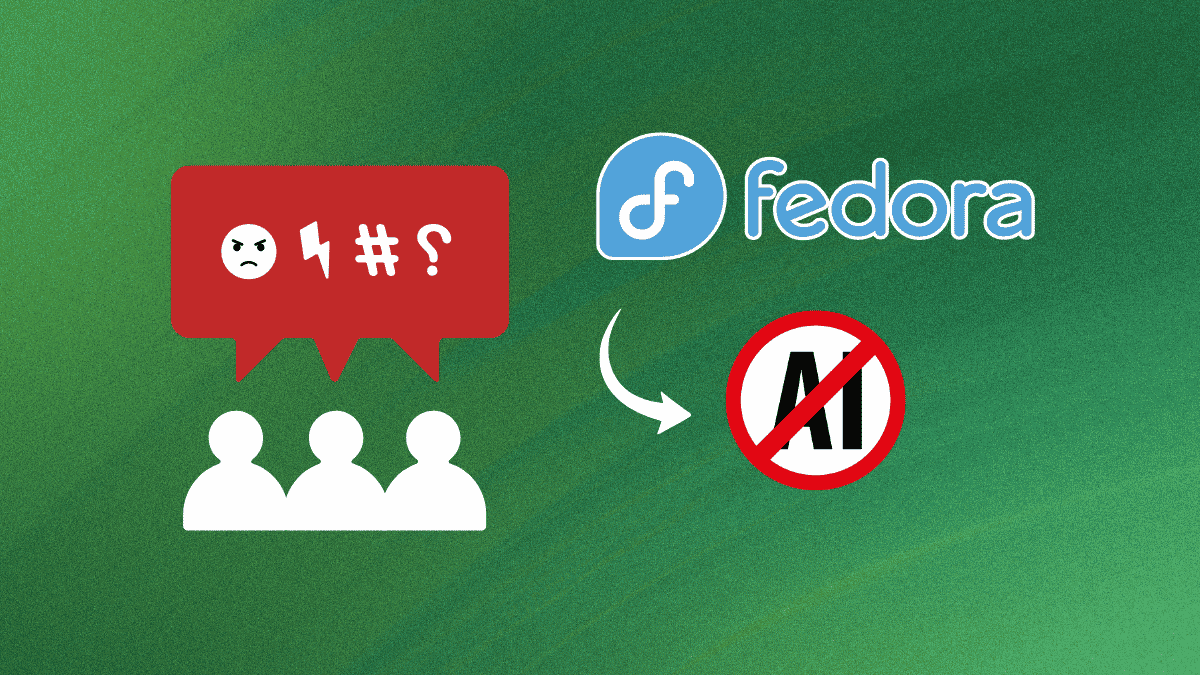
Why did two Fedora Council members change their votes?
Justin Wheeler (Jflory7) was the first to switch his vote to −1. He cited the LTS kernel component as a “massive structural shift” that hadn’t been cleared with relevant legal and engineering parties. He also noted that feedback from Fedora kernel subject-matter experts hadn’t been properly incorporated, and that new developments like the Nova driver (for NVIDIA GPUs) introduced technical and legal complexities needing more vetting. Fellow council member Miro Hrončok (churchyard) followed, explaining he originally assumed the proposal was purely additive and uncontroversial. But after seeing the community’s response—over 180 replies in the discussion thread—he realized he was mistaken and, as an elected representative, needed to reflect before signing off.
What were the main community concerns about the proposal?
Community backlash centered on three issues: kernel policy, proprietary software, and project identity. Many well-known Fedora contributors pushed back against the LTS kernel shift, arguing it would create maintenance burdens and deviate from Fedora’s rapid-release philosophy. Others worried that the focus on NVIDIA’s proprietary CUDA technology undermined Fedora’s commitment to free software. Hans de Goede from the packaging team specifically called out the emphasis on CUDA, urging that open alternatives like AMD’s ROCm and Intel’s oneAPI should take priority. Tim Flink questioned whether the initiative was merely a way to get CUDA onto a Fedora-adjacent system, while Neal Gompa warned that such a move would weaken Fedora’s historical stance on pushing vendors toward open solutions.
How did the proposal's handling of proprietary software like CUDA spark debate?
Fedora has long been a champion of free and open-source software, so the proposal’s explicit support for NVIDIA’s proprietary CUDA technology raised red flags. Contributors argued that prioritizing CUDA would set a precedent, making Fedora complicit in promoting proprietary ecosystems. The proposal did mention AMD’s ROCm and Intel’s oneAPI as alternatives, but many felt CUDA was given disproportionate weight. This debate highlighted a broader tension: Fedora’s desire to remain relevant in the AI space versus its foundational commitment to freedom. Some feared that accommodating proprietary software would erode the community’s trust and weaken Fedora’s influence in pushing vendors toward open standards. The council’s reversal shows that these concerns resonated strongly.

What role did communication gaps play in the controversy?
A significant communication breakdown contributed to the controversy. Fabio Valentini of FESCo stated that he only learned about the council vote accidentally while browsing the Matrix chat. Many community members felt the proposal was rushed through a short lazy consensus window without adequate discussion. The initiative’s scope—affecting kernel policy, legal clearances, and project identity—demanded broader input from maintainers and subject-matter experts. The lack of transparent communication meant that key stakeholders were caught off guard, leading to backlash when they realized the implications. This incident has prompted calls for better processes to ensure major proposals receive thorough vetting before council votes.
What is the current status and what are the next steps?
The initiative is now listed as blocked in the council ticket, with a new escalation deadline of May 22, 2024. Gordon Messmer, the proposal’s submitter, has announced he plans to release a revised draft that addresses the community’s concerns. The revised proposal is expected to clarify kernel policy, rebalance focus between open and proprietary AI tools, and ensure proper consultation with legal and engineering teams. The council has not set a new vote date, but the extended deadline indicates a willingness to work through the issues. Whether the revived initiative will gain enough support remains uncertain, but the episode has already sparked important discussions about Fedora’s direction.
Related Articles
- Breaking: Kazakhstan Renews Coursera Deal – 235,000+ Students to Gain AI and Digital Skills for Global Economy
- 7 Surprising Truths About Average in Retail Data: Why the Mean Deceives You
- What the Coursera-Udemy Merger Means for Learners: What You Need to Know
- Rebuilding the Human School: A Practical Guide for Educators
- 10 Key Revelations from Elon Musk's Court Testimony on xAI's Use of OpenAI Models
- 7 Key Insights into Kubernetes v1.36's Mutable Pod Resources for Suspended Jobs
- OpenAI's Radical Networking Choice: 131,000 GPUs Connected via Counterintuitive Design
- New Research Reveals Optimal Structure for AI Agent Teams – Most Companies Getting It Wrong