Beyond Boca Chica: Where Could SpaceX Launch Starship Next?
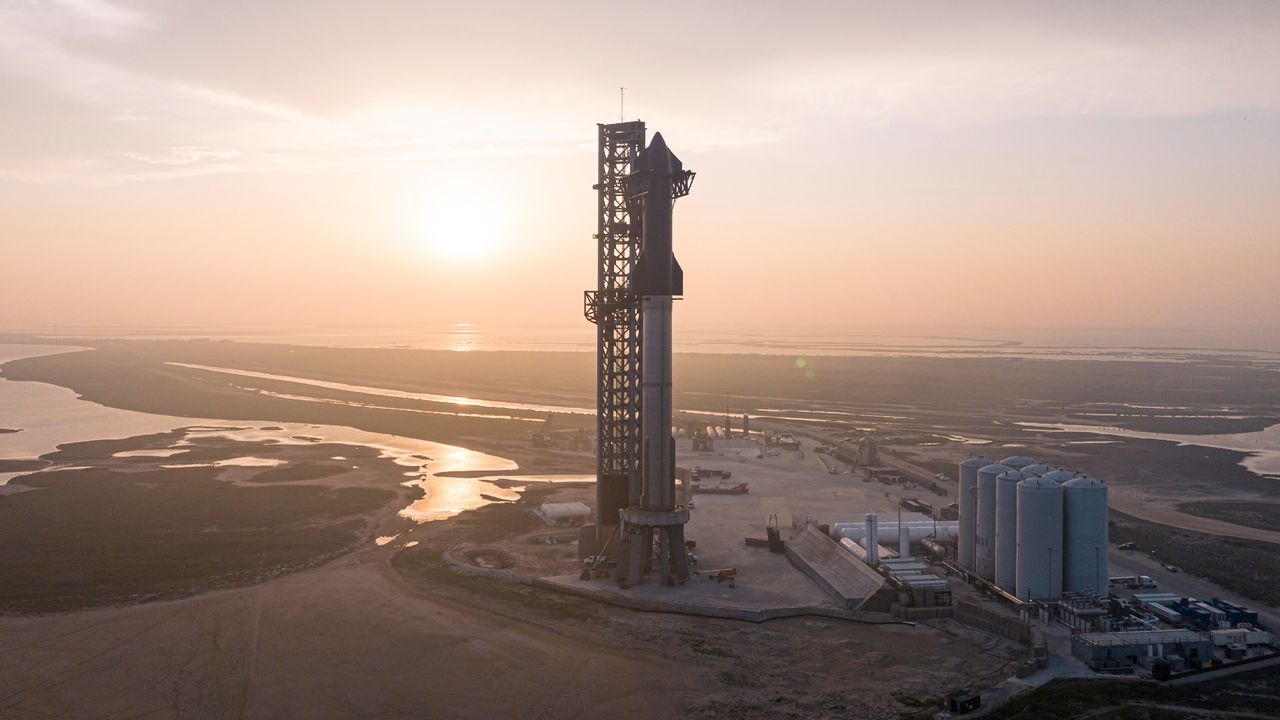
SpaceX is actively scouting for additional launch sites for its massive Starship vehicle, looking beyond its current facility in Boca Chica, Texas. The company has confirmed it is exploring locations both within the United States and internationally to support a growing launch cadence and mission requirements. This Q&A breaks down the key aspects of SpaceX's search for new Starship launch sites.
Why is SpaceX looking for new Starship launch sites?
SpaceX's Starbase facility in Boca Chica is a critical development and testing site, but it has limitations. The company needs multiple launch sites to increase operational flexibility, reduce turnaround time, and meet the high launch frequency required for Starship missions, including satellite deployment, lunar cargo delivery, and eventual Mars colonization. Federal regulatory constraints, environmental reviews, and the need for simultaneous launches or refueling operations also drive the search. By establishing additional sites, SpaceX can mitigate risks tied to a single location and better serve both government and commercial customers. The company is 'constantly exploring' options to ensure Starship has the infrastructure to support its ambitious goals.
What criteria does SpaceX use to evaluate potential launch sites?
SpaceX prioritizes sites that offer proximity to the equator for efficiency gains, available land for safety buffers, favorable weather patterns, and strong transportation links. Coastal locations are preferred to allow overwater flight trajectories and debris zones. Additionally, sites must have minimal population density nearby and support from local and national authorities. Environmental impact is a major consideration, as seen in ongoing reviews at existing sites. The company also looks for existing aerospace infrastructure, such as runway facilities or pad refurbishment capabilities, to reduce construction costs. Each candidate must satisfy orbital inclination requirements for different mission profiles, from polar orbits to geostationary transfer. SpaceX's evaluation balances technical, economic, and regulatory factors to identify viable long-term locations.
Which foreign countries are being considered for Starship launches?
SpaceX has not disclosed specific countries but has indicated interest in locations near the equator, such as those in South America, Africa, and possibly Australia. Brazil's Alcântara Launch Center, near the equator, is a strong candidate due to its geographic advantage and existing infrastructure. Other possibilities include Indonesia's proposed Biak spaceport, Ecuador's coastal sites, or expansion in partnership with Australia. However, no formal agreements have been announced. The company is likely evaluating political stability, intellectual property protections, and bilateral technology transfer agreements. Any foreign site would require compliance with the International Traffic in Arms Regulations (ITAR) and national security reviews. While no decision is imminent, SpaceX is actively engaging in preliminary discussions to understand feasibility.
How do international regulations affect SpaceX's launch site plans?
International launches are governed by treaties like the Outer Space Treaty, which holds countries responsible for private actions. SpaceX would need host nation approval, export licenses for technology, and adherence to local environmental laws. The U.S. government must authorize technology transfers via the Department of State. Liability and insurance requirements also differ per country. Additionally, the United Nations Registration Convention mandates tracking orbital objects. These regulations create a complex legal environment that can delay or block projects. SpaceX has experience with such processes through its Falcon 9 missions from Cape Canaveral and Vandenberg, which involve federal approvals. For international sites, the company would need to navigate diplomatic negotiations, potentially through a bilateral space agreement, to ensure smooth operations and protect proprietary hardware.
What are the potential benefits of launching Starship from foreign shores?
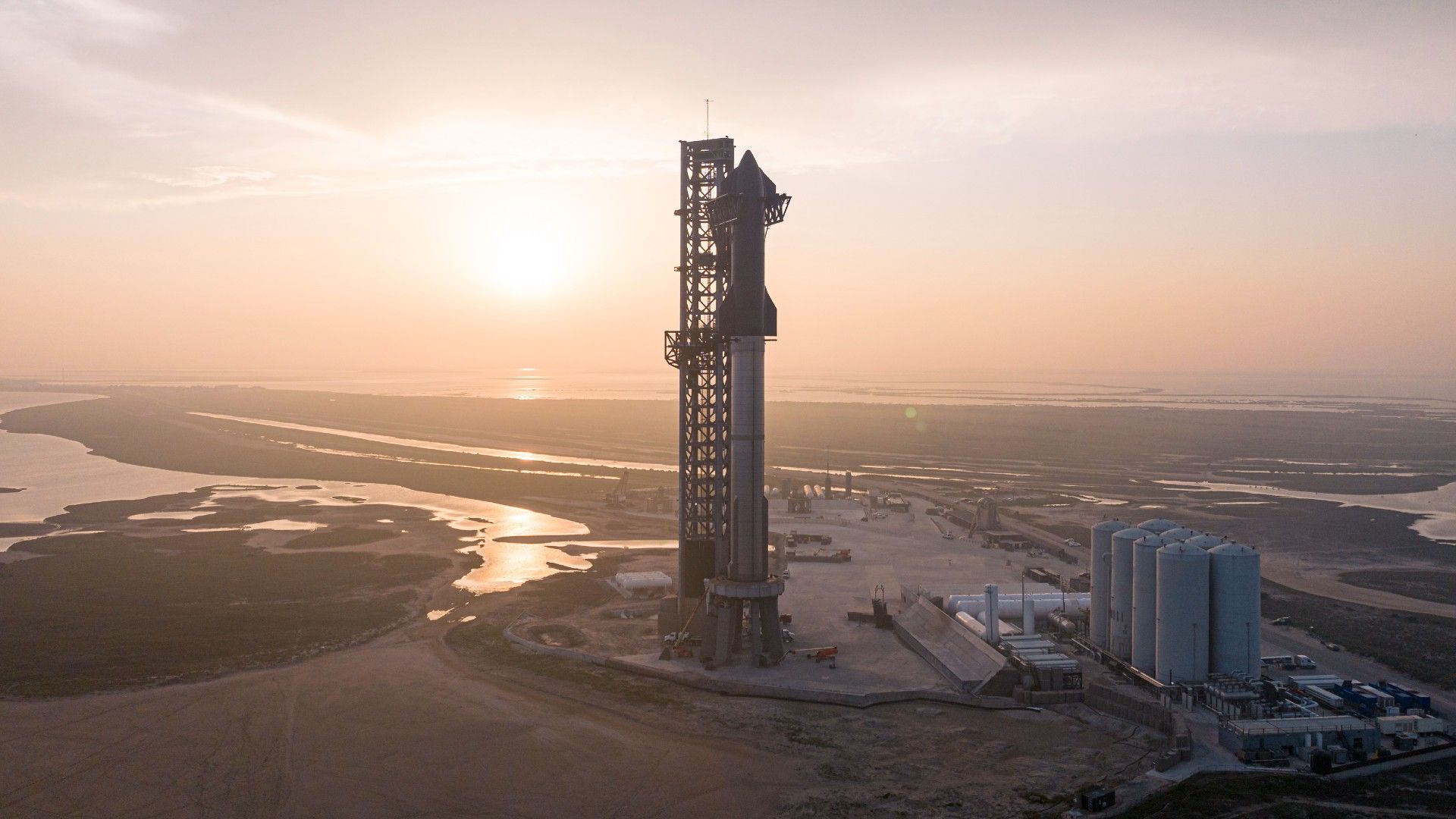
Launching from equatorial sites can provide a significant performance boost, allowing Starship to carry heavier payloads to geostationary orbit or escape trajectories. This reduces fuel consumption and may lower costs per kilogram. International sites also enable flexible flight azimuths, supporting missions to the Moon and Mars more efficiently. Additionally, having multiple global launch sites increases resilience against weather delays or technical issues at a single location. It also fosters international collaboration, potentially opening new commercial markets and scientific partnerships. For SpaceX, spreading launch infrastructure abroad could ease regulatory bottlenecks in the U.S. and accelerate the timeline for high-cadence operations. Ultimately, foreign launch sites complement domestic facilities and help SpaceX realize its vision of making life multiplanetary.
How might new launch sites impact SpaceX's Mars ambitions?
Mars missions require precise orbital alignments and maximum payload capacity. Equatorial launch sites give Starship more thrust to reach Mars transfer orbits, shortening transit times and reducing supplies needed. Additionally, multiple launch sites allow for simultaneous launches for in-orbit refueling, a crucial step for interplanetary travel. By establishing sites in different hemispheres, SpaceX can cover a wider range of launch windows. This also mitigates the risk of a single point of failure at Boca Chica. However, developing Mars infrastructure will remain centered at Starbase for manufacturing and testing. New launch sites would serve as supplementary pads to scale operations. Ultimately, the search for foreign shores is a strategic move to build the global launch network required for sustained Mars exploration and eventual colonization.
What challenges does SpaceX face in establishing overseas launch facilities?
Beyond regulatory hurdles, SpaceX must invest in substantial infrastructure: transport of massive Starship components, construction of launch mounts, fuel depots, and ground support equipment. Political instability in candidate countries could threaten long-term operations. Security of proprietary technology is a major concern, and SpaceX would need to implement strict access controls. Cultural and language barriers may complicate negotiations. Additionally, environmental opposition from local communities could delay projects, as seen in Texas. The company also faces competition from other launch providers seeking similar sites. Financial costs are significant, and SpaceX must balance overseas expansion with continued investment in Starbase. Despite these challenges, the potential advantages of global launch coverage make the effort worthwhile for SpaceX, which is known for its aggressive innovation and risk management approach.
Related Articles
- Ben Mauro's 'Huxley' Universe Ignites Sci-Fi Frenzy: Industry Insiders Call It a 'Game Changer'
- Streaming Giants and Sci-Fi: Are Legacy Franchises Losing Their Luster?
- How to Rally for Digital Rights When Global Forums Are Silenced: A Step-by-Step Guide to Solidarity
- How Astronomers Cracked the 50-Year-Old gamma-Cas X-Ray Mystery
- How to Identify Landslides Triggered by Cyclone Rains Using Satellite Imagery
- Behind the Scenes: NASA's SpaceX CRS-34 Mission to the ISS
- Genomic Insights into Cephalopod Survival: A Guide to Squid and Cuttlefish Evolution
- Artemis II Achievements Pave the Way for Lunar Return: NASA's Next Giant Leap