Frontier AI in Cybersecurity: A Step-by-Step Implementation Guide
Overview
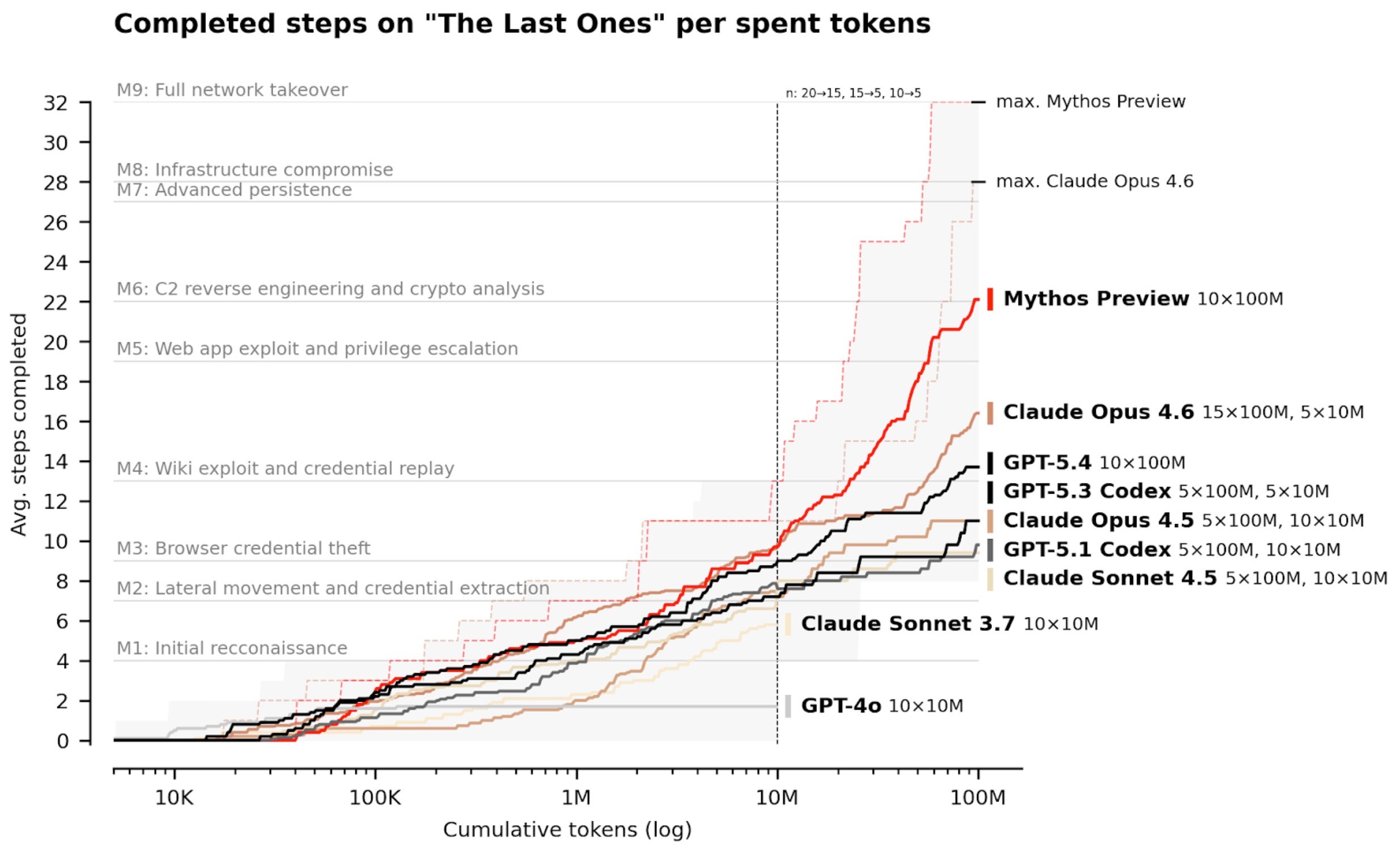
The rapid evolution of frontier artificial intelligence—pioneered by labs like OpenAI, Anthropic, and Google DeepMind—has transformed the cybersecurity landscape. This guide explains how organizations can leverage these advanced models to build an AI-native defense system capable of operating at machine speed. Drawing on principles proven by SentinelOne, you'll learn to integrate behavioral AI, automate response workflows, and close the gap between theoretical vulnerabilities and real-world risk. The focus is on practical steps, from model selection to deployment, with examples from recent supply chain attacks (LiteLLM, Axios, CPU-Z) that demonstrate the power of autonomous protection.

Prerequisites
Before implementing frontier AI for cyber defense, ensure your environment meets these requirements:
- Data infrastructure: Access to high-quality, labeled security telemetry (endpoint logs, network traffic, cloud events) for training or fine-tuning AI models.
- AI model access: API keys or on-premise deployment rights for frontier models (e.g., GPT-4, Claude, Gemini).
- Computing resources: GPU clusters for model inference at scale; consider latency requirements for real-time detection.
- Security team skills: Familiarity with machine learning pipelines, threat intelligence, and incident response processes.
- Integration tools: SIEM/SOAR platforms, EDR/NDR solutions, and automation frameworks (e.g., Python scripts, Kubernetes).
Step-by-Step Instructions
Step 1: Define Your Defense Objectives
Map frontier AI capabilities to specific security outcomes. For example:
- Vulnerability prioritization: Use LLMs to analyze CVE descriptions and asset context, filtering out non-exploitable bugs.
- Behavioral anomaly detection: Train models on baseline user and process behavior to identify zero-day exploits.
- Automated incident response: Deploy AI agents that can isolate endpoints or revoke credentials within milliseconds.
Step 2: Build a Behavioral AI Pipeline
SentinelOne's approach relies on behavioral AI models that learn 'normal' patterns. Implement as follows:
- Collect telemetry: Gather endpoint events (process creation, file system changes, network connections) in real-time.
- Feature engineering: Extract temporal sequences, parent-child relationships, and entropy values. Example code snippet for feature extraction in Python:
import pandas as pd from sklearn.preprocessing import StandardScaler # Sample telemetry DataFrame features = pd.DataFrame({ 'process_name': ['svchost.exe', 'powershell.exe'], 'parent_pid': [4, 1234], 'file_write_rate': [0.5, 15.2], 'network_connections': ['127.0.0.1', '185.220.101.x'] }) # Normalize numeric features scaler = StandardScaler() features[['file_write_rate']] = scaler.fit_transform(features[['file_write_rate']]) - Train anomaly detectors: Use unsupervised learning (isolation forests, autoencoders) on clean data to flag deviations.
- Integrate frontier LLMs: Feed anomaly alerts to a model (e.g., GPT-4) for natural language reasoning about attack paths. Example prompt:
"Given the following alert: process 'powershell.exe' with parent 'explorer.exe' made 100 outbound connections in 2 seconds to unknown IPs. Is this likely a malicious reconnaissance attempt? Provide confidence level and suggested actions."
Step 3: Automate Response at Machine Speed
Human-in-the-loop is too slow for zero-days. Implement autonomous response actions:
- Predefined playbooks: Map AI verdicts to actions—e.g., kill process, block IP, quarantine file.
- Rollback capabilities: Use file system snapshots or cloud snapshots to revert changes from a compromised host.
- Orchestration: Connect your AI pipeline to SOAR tools via webhooks or APIs. Example using Python and requests:
import requests

# Trigger incident response in SentinelOne platform
def isolate_endpoint(agent_id):
    url = f"https://your-s1-instance.sentinelone.net/web/api/v2.1/agents/actions/isolate"
    headers = {"Authorization": "Bearer YOUR_API_TOKEN", "Content-Type": "application/json"}
    payload = {"filter": {"ids": [agent_id]}}
    response = requests.post(url, json=payload, headers=headers)
    return response.status_code
Step 4: Validate Against Real-World Attacks
Test your system against recent supply chain breaches mentioned in the original analysis:
- LiteLLM attack: Malicious package in a PyPI dependency that exfiltrated API keys. Ensure your behavioral AI detects unusual outbound traffic from Python processes.
- Axios vulnerability: Cross-site scripting via a compromised npm package. Use LLM-based analysis to correlate web server logs and user input.
- CPU-Z fake installer: Trojanized installer that drops a backdoor. Autonomous response should block the executable before it spreads.
For each scenario, run tabletop exercises with your AI system in read-only mode initially, then gradually enable autonomous actions.
Step 5: Continuously Refine Models
Frontier AI evolves rapidly. Schedule quarterly model updates from partner labs (OpenAI, Anthropic, DeepMind). Retrain behavioral baselines every 30 days using fresh telemetry to adapt to changing user behaviors. Monitor false positive rates—anything above 0.1% indicates need for retuning.
Common Mistakes
- Ignoring the gap between theoretical and operational risk: Not all CVEs are exploitable in your environment. Relying solely on vulnerability counts leads to alert fatigue. Use AI to contextualize exploitability.
- Over-automation without fail-safes: Autonomous response can cause outages if it misidentifies a critical process. Always include a 'circuit breaker' that reverts actions if secondary checks fail.
- Neglecting adversarial AI: Attackers also use frontier models to discover zero-days faster. Pro tip: run LLM-based red teaming against your own defenses monthly.
- Poor data quality: Garbage in, garbage out. Ensure telemetry is clean, timestamped, and free from sensor drift. Use data validation scripts before feeding to models.
Summary
Frontier AI is not a silver bullet, but when integrated as an AI-native defense layer—using behavioral baselines, LLM reasoning, and autonomous actions—it dramatically reduces the time to detect and respond to novel threats. The approach outlined here, inspired by SentinelOne's pioneering work, turns the speed advantage of AI into a defensive shield. By following the five steps and avoiding common pitfalls, your organization can stay ahead of adversaries exploiting zero-days in supply chains and beyond.
Related Articles
- 5 Essential Facts About the Franklin Expedition's Latest DNA Identifications
- Overcoming the Five Key Hurdles MSPs Face in Capturing Cybersecurity Revenue
- Supply Chain Attack on CPU-Z Neutralized by SentinelOne's AI EDR: A Real-World Case Study
- Your Blueprint for Becoming a Cybersecurity Consultant: Demand, Skills, and Expert Guidance
- 10 Critical Facts About Rapid SaaS Extortion by Cordial and Snarky Spiders
- The Hidden Accessibility Challenge: Session Timeouts in Authentication Design
- 7 Critical Insights into Amazon SES Phishing Attacks You Must Understand
- From Indictment to Extradition: A Step-by-Step Guide to International Cybercrime Cases Using the Gavril Sandu Example