AI-Native Defense Becomes Critical as Frontier Models Accelerate Cyber Threats, SentinelOne Warns
Breaking: SentinelOne Urges Shift to Autonomous Security as AI Attack Surface Expands
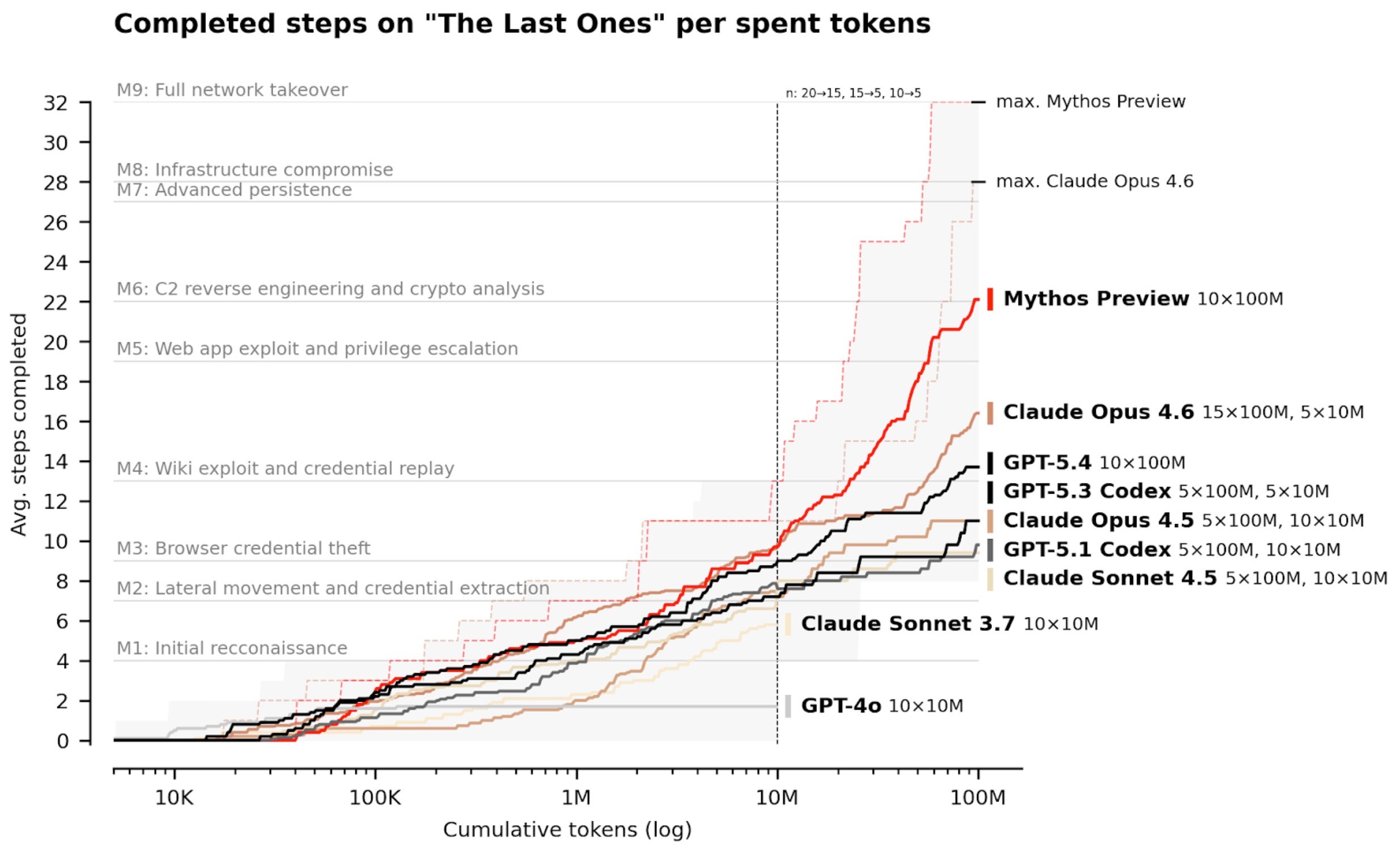
SentinelOne, a leading cybersecurity firm, today warned that the rapid advancement of frontier AI models from labs like OpenAI and Anthropic is forcing a fundamental shift in how organizations must defend themselves—favoring autonomous, machine-speed protection over traditional patching and manual analysis. The warning comes as the company reveals it has stopped multiple zero-day exploits in recent weeks, including attacks targeting supply chains via LiteLLM, Axios, and CPU-Z.

“The gap between theoretical exposure and operational risk has never been wider,” said a SentinelOne spokesperson. “What matters is the ability to understand real conditions, prioritize what matters, and stop actual attacks at machine speed. That’s why we’ve been building AI-native defense for years.”
The company has long collaborated with frontier labs—including OpenAI, Anthropic, and Google DeepMind—to embed advanced model capabilities into its platform. While specific partnership details remain confidential, SentinelOne says these relationships provide “meaningful insight into how advanced models are evolving and where they can create real impact across security.”
Background: A Race Between Attackers and Defenders
Frontier AI models are becoming more capable, but that progress cuts both ways. Defenders gain faster threat identification, complex system analysis, and automated reasoning at scale. Attackers, however, gain speed and scale in finding new vulnerabilities. “This race matters, but it’s only one part of the broader security picture,” the company noted.
“Raw vulnerability counts rarely map cleanly to real-world risk,” the spokesperson explained. “Many vulnerabilities are not meaningfully exploitable in live environments, and many are already reduced by architectural layers, controls, mitigations, and runtime protections.” SentinelOne’s platform uses behavioral AI, automation, and autonomous protection across endpoints, cloud, identity, data, network, and AI attack surfaces—operating at machine speed from day one.
Recent Attacks Validate Autonomous Approach
In the last few weeks alone, supply chain attacks targeting LiteLLM, Axios, and CPU-Z demonstrated the critical need for instant response. Each exploited unpatched or zero-day vulnerabilities. “Autonomous response at machine speed was the only antidote to block these novel threats,” the spokesperson said. SentinelOne’s platform consistently stops attacks that no other solution can.
The company continues to expand its ongoing efforts in this area, though details on new capabilities remain under wraps pending future announcements.
What This Means
For chief information security officers and IT leaders, the takeaway is clear: perimeter-based defenses and vulnerability patching alone are no longer sufficient. As AI models make it easier for attackers to discover and weaponize flaws at scale, defense must become equally automated and adaptive. Organizations that invest in AI-native, autonomous protection will be better positioned to neutralize threats in real time.
SentinelOne’s stance reinforces a broader industry trend toward machine-speed defense—a paradigm where decisions are made in milliseconds, not hours. This approach not only improves detection but also reduces the window of exposure from zero-day vulnerabilities.
Related Articles
- Canonical Under Siege: Major DDoS Attack Disrupts Ubuntu, Snap Store, and Launchpad
- Critical RCE Vulnerability Discovered in xrdp – Patch Now (CVE-2025-68670)
- Stealthy Tax-Themed Phishing Campaigns: Silver Fox’s ABCDoor Backdoor Hits Russia and India
- Credential Theft Explodes as Financial Cybercrime Evolves: 2025 Review and 2026 Warning
- How AI-Assisted Reverse Engineering Exposed a Critical macOS Kernel Vulnerability in Record Time
- AI-Powered Exploit Discovery Accelerates: Enterprises Face Critical Risk Window
- How a Security Breach Turned a DDoS Protection Firm into an Attack Vector
- 7 Must-Know Security Updates from April 2026 Patch Tuesday