How to Implement the Block Protocol for Interoperable Web Blocks
Introduction
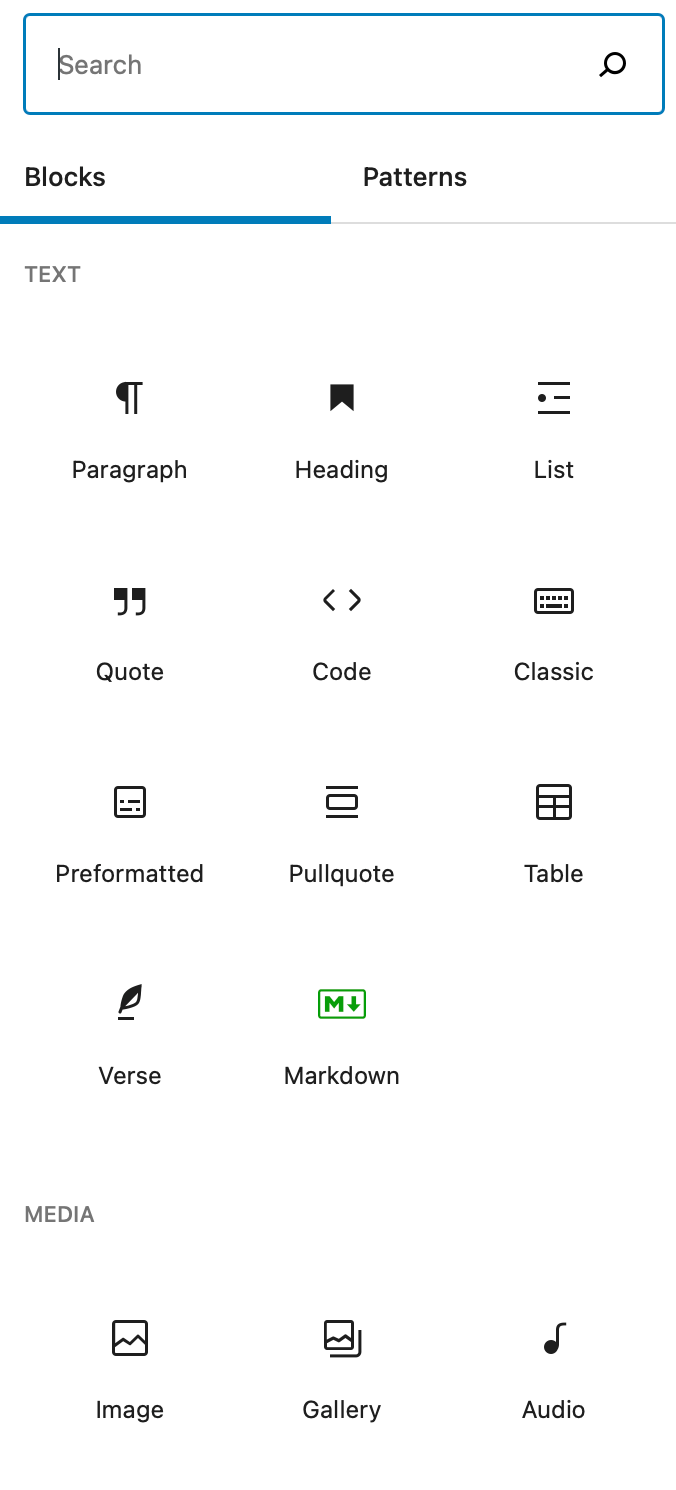
Have you ever noticed how every web editor, from WordPress to Notion, uses its own proprietary block system? Blocks are fantastic for creating rich content, but the lack of standardization means users are stuck with whatever blocks their particular editor offers. This leads to duplication of effort, limited functionality, and a fragmented user experience. The Block Protocol is an open, free, non-proprietary standard that aims to solve this by defining a common language for blocks across the web. In this guide, you'll learn how to adopt the Block Protocol in your own web editor, enabling users to embed any compliant block from any source. Whether you're building a blogging platform, a note-taking app, or a content management system, this step-by-step process will help you make your editor block-universal.
What You Need
- Basic web development skills: Familiarity with HTML, CSS, and JavaScript is essential.
- A web editor to modify: This could be an existing project or a new one you're building.
- Knowledge of web components or iframes: The Block Protocol can use either, but understanding one will help.
- A text editor or IDE for writing code.
- Access to the Block Protocol specification: Visit the official site to get the latest draft (available now).
- A browser for testing.
Step-by-Step Guide
Step 1: Understand the Block Protocol Concept
The Block Protocol is essentially a contract between a block host (your editor) and a block (a piece of content with logic). It defines how blocks are loaded, rendered, and communicate with the host. The protocol is open source and designed to be minimal. Blocks can be anything: paragraphs, images, Kanban boards, calendars, or even interactive widgets. Your editor only needs to implement the host side once to support any block that follows the protocol. This eliminates the need to code each block from scratch. Spend time reading the official overview and the early draft to understand the core concepts like block lifecycle, rendering modes (inline, editable, etc.), and the messaging API.
Step 2: Set Up a Minimal Block Host
Start by creating a simple HTML page that will act as your test editor. This page should include a content area where blocks will be rendered. You'll need to write JavaScript that initializes the block host according to the protocol's specification. The host typically provides an iframe or a shadow DOM for each block to ensure isolation. You can use the sample code provided by the Block Protocol team to get started quickly. Make sure your host can load blocks from external URLs (the protocol expects blocks to be delivered as HTML/JS bundles).
Step 3: Integrate the Block Host into Your Editor
Once your minimal host works, integrate it into your actual editor. Replace any existing proprietary block rendering logic with the protocol-compliant host. This involves modifying how your editor handles block insertion, editing, and deletion. The protocol includes events for user interactions (like typing in a paragraph block) that your editor can listen to. You'll also need to manage the block's data (RDF or JSON) that the block uses for serialization. For a blogging tool, you might store this data in the post content. For a note-taking app, in a note's JSON. The key is that the host and block communicate via a well-defined API, not through your custom code.
Step 4: Create Your First Block
Now it's time to build a block that follows the protocol. Start simple: a plain text block or a basic image block. The block is a self-contained web component that responds to the host's commands. You'll define its HTML structure, CSS, and JavaScript logic. The block must include the necessary initialization scripts from the protocol. Use the official block development documentation to structure your code. For instance, to create a 'Hello World' block, you'd register it with the host and handle the 'render' and 'getData' calls. Once created, place the block URL (or local file) into your test host and verify it works.

Step 5: Add More Complex Blocks and Test Interoperability
With the basic block working, experiment with more advanced types like a Kanban board or a calendar widget. These often involve user interaction and dynamic data. The beauty of the protocol is that any block, no matter how complex, can be dropped into any host. To test interoperability, try loading the same block into a different editor that also implements the protocol (e.g., the simple editor provided by the Block Protocol team). Ensure that data round-trips correctly: you can edit the block in one editor, save its data, and load it in another editor with the same block. This proves the protocol's value.
Step 6: Foster Community and Contribute to the Open Source Library
The Block Protocol thrives on community contributions. Once you have implemented host support and created a few blocks, consider sharing your blocks in the public block library. This could be a simple GitHub repository with a manifest. Encourage other developers to use the protocol by writing tutorials or providing sample integrations. As more editors adopt it, the library of available blocks will grow, benefiting everyone. Join the Block Protocol discussion forums to stay updated on changes and best practices.
Tips
- Start small: Don't try to convert your entire editor overnight. Implement the protocol for one block type first (e.g., paragraphs) and gradually expand.
- Use sandboxing carefully: Blocks run inside iframes or shadow DOMs for security. Make sure to set appropriate permissions (like allowing scripts if the block uses them).
- Plan for data portability: The protocol encourages storing block data in a structured format (like RDF). This makes it easy to move blocks between editors.
- Test across browsers: Because the protocol uses web standards, it should work everywhere, but always verify.
- Leverage existing blocks: Before building your own, check the open source library. Many common blocks (like images, videos, embeds) may already be available.
- Keep an eye on the spec: The protocol is still evolving. Subscribe to updates to avoid breaking changes.
- Document your integration: Other developers in your team will thank you for clear documentation on how your host implements the protocol.
Related Articles
- Securing the Invisible: How Arcjet Guards Protects AI Agents Beyond HTTP Boundaries
- Breaking: New Data Shows User Experience Failures Cost Firms Millions in Lost Revenue
- April 2026 Linux App Roundup: Key Questions Answered
- Strategies for Managing Anhydrous Hydrogen Fluoride Cost Shocks in Semiconductor Manufacturing
- 10 Reasons Why Aerion Desktop Email Client Deserves Your Attention
- 6 Ways HashiCorp Vault is Transforming Security for AI Agents
- Unlocking the Power of Blocks: A Universal Protocol for the Web
- Axios NPM Package Breach: A Step-by-Step Guide to the UNC1069 Supply Chain Attack