Why 3D Printing Noctua Fan Replicas Falls Short: A Deep Dive into Design Limitations
Introduction
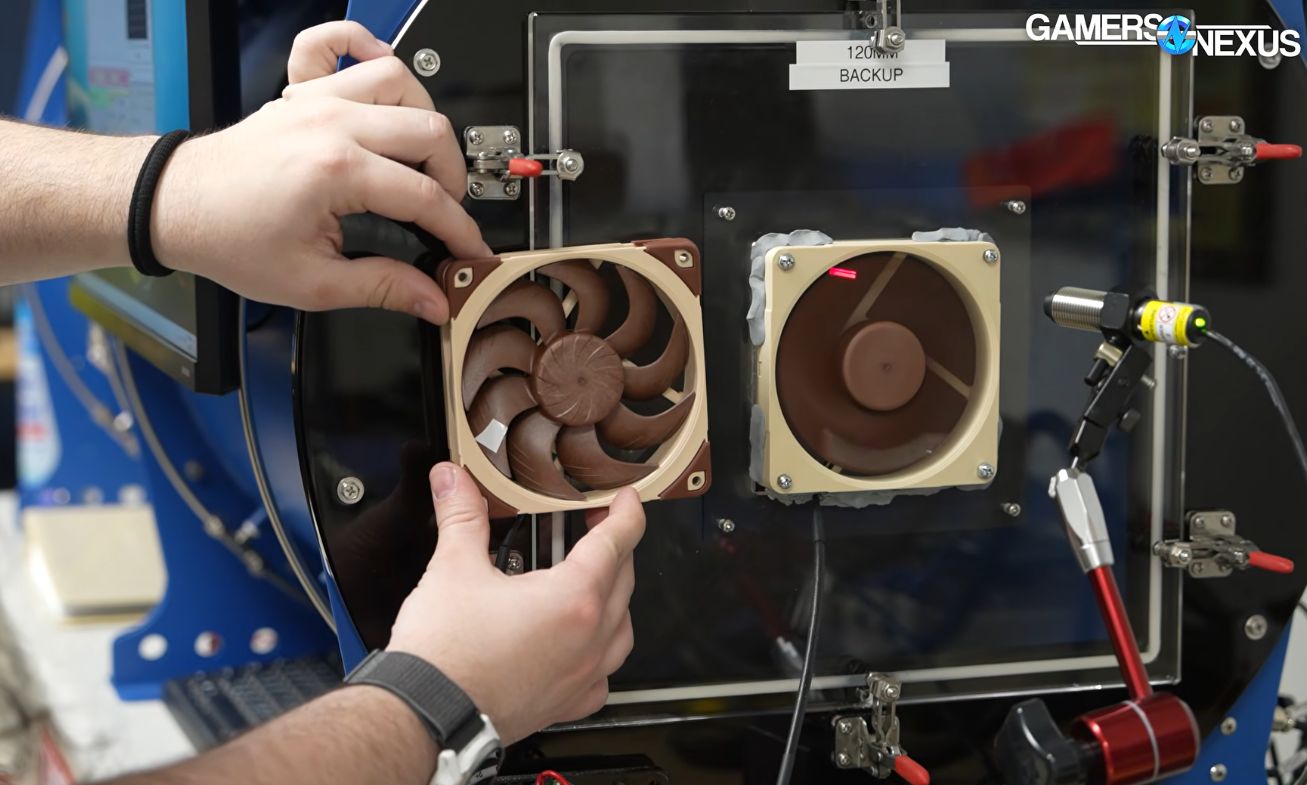
When Noctua released the CAD files for several of their computer fans, enthusiasts immediately wondered: Could they simply 3D print their own working copies? Despite Noctua's explicit warnings that the files were modified to prevent direct replication, curiosity persisted. Fortunately, Steve from Gamers Nexus took on the challenge to investigate whether 3D printing a PC fan is actually viable.
The Technical Hurdles
Motor Dependency
The most critical component—the motor—cannot be printed. Even after reworking the original CAD models for a Bambu Lab FDM printer and printing parts in PLA, the motor had to be harvested from an authentic Noctua fan. While cheaper motors are available, they alter the fan's performance characteristics, potentially introducing instability or noise.
Material Limitations
Noctua uses a special polymer engineered to resist deformation under high-speed rotation. In contrast, PLA and most common thermoplastics tend to warp, causing blades to scrape against the fan housing. To compensate, the replicated fan had a 3 mm gap—six times larger than Noctua's original 0.5 mm clearance. This gap drastically reduces efficiency.
Performance Comparison
Testing Methodology
Using a professional fan tester and semi-anechoic chamber at Gamers Nexus, Steve compared the original Noctua fan with the 3D printed replica. The results were illuminating.
Airflow and Noise
The printed fan produced only half the airflow of the original, despite similar noise levels. The causes include suboptimal blade geometry, increased clearance, and countless other design nuances that justify the original's premium price (around $40).
Practical Takeaways
What These CAD Files Are Good For
While a functional 3D printed fan is impractical, the CAD files serve other purposes:
- Fit testing in larger builds (e.g., custom cases or cooling systems).
- Design verification for spacing and mounting before purchasing expensive original fans.
- Educational models to study fan aerodynamics.
Final Verdict
As Steve concludes, for actual cooling performance, buying an original Noctua fan remains the only reliable option. The 3D printed version is best reserved for non-functional prototyping. Read more about material limitations or performance data above.
Related Articles
- Grand Theft Auto 4 Gets Call of Duty's Zombie Mode in Ambitious 10-Year Fan Project
- Navigating the Deep: A Comprehensive Guide to Subnautica 2’s Early Access Launch and Community-Driven Development
- Mastering Narrative Tempo: A Case Study on Shigeru Miyamoto’s Defense of Fast Pacing in The Super Mario Galaxy Movie
- Forza Horizon 6 Treasure Cars: Complete Guide to Locations and Clues
- 6 Strange Facts About Besmirch, the Horror Farming Game That's Too Smiley
- Clint Hocking's New Studio: Build Machine Games – Q&A on His Exit from Ubisoft and Future Plans
- 10 Reasons the Vivo X300 Ultra Is Pushing Samsung to Innovate Faster
- Bombshell Crossover: Lara Croft and Walter White Welcome First Child – Gaming and TV Worlds Collide