Wendy's Shuts 174 U.S. Stores as Turnaround Plan Takes Shape; Shares Jump 4%
Breaking: Wendy's Reports Surprise Earnings Beat Despite U.S. Sales Plunge
Wendy's shares surged over 4% in morning trading Friday after the fast-food giant posted stronger-than-expected quarterly earnings, even as U.S. same-restaurant sales tumbled 7.8%. The Wendy's turnaround plan is now in full swing, with 174 underperforming locations already closed in the first quarter of 2026.
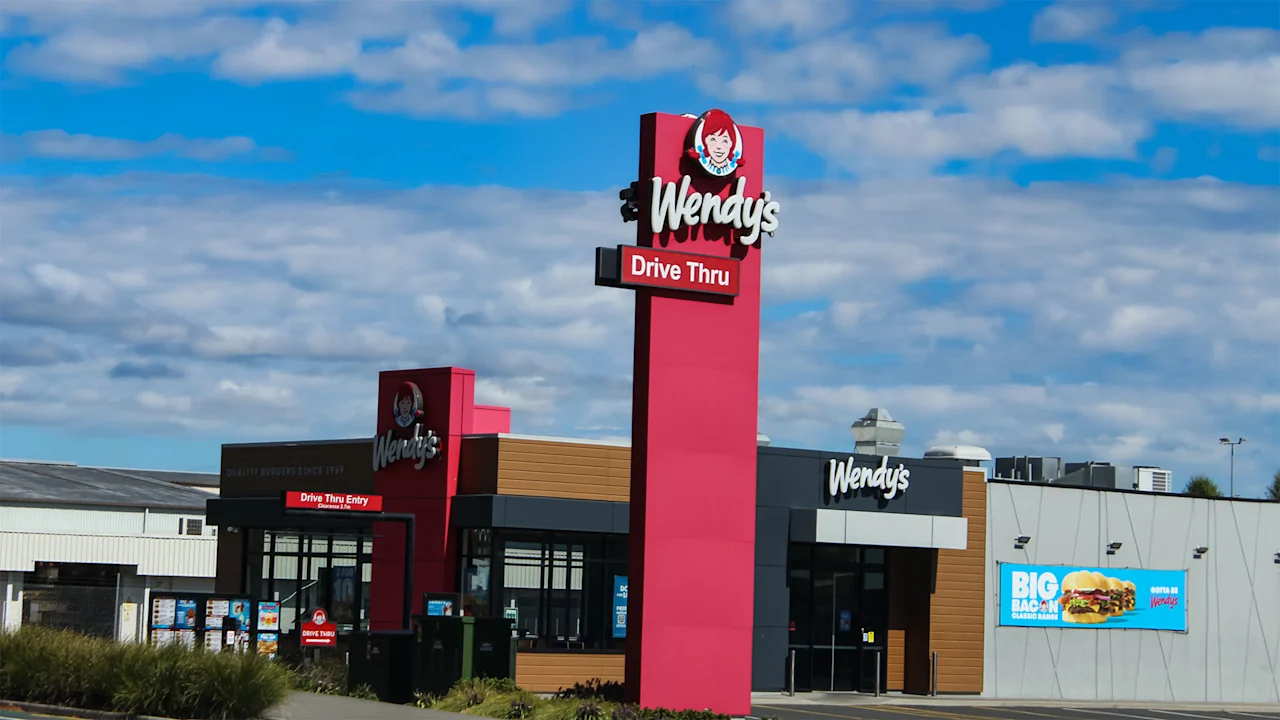
The chain ended Q1 2026 with 5,805 U.S. restaurants, down from 5,979 at the start of Q4 2025. That net loss of 174 locations is the beginning of a larger cull—CFO and interim CEO Ken Cook previously announced plans to shutter between 200 and 350 underperforming stores this year.
Financial Highlights
Revenue came in at $540.6 million, beating analyst estimates of $520.48 million—a 3.3% year-over-year increase. Adjusted earnings per share hit 12 cents, above the expected 10 cents. The results sent Wendy's stock (Nasdaq: WEN) up roughly 2% by midday Friday.
“We are in the early innings of our turnaround,” Cook told analysts on Friday’s earnings call, noting that the company is taking “decisive action to strengthen the Wendy’s system and improve performance.”
“While our first quarter results reflect a business in the early stages of a turnaround, we are making progress to improve our U.S. business and are confident in the direction we are heading.” – Ken Cook, Wendy’s CFO and interim CEO
What’s Driving the Turnaround?
Cook said improvements include a revamped Biggie platform, upgrades to premium hamburgers, and new chicken sandwiches. He credited operational excellence for “driving improvement in order accuracy and key customer satisfaction metrics.” But U.S. sales remain weak as consumers grapple with higher food costs and a challenging economy.
Meanwhile, international business is booming. Systemwide sales outside the U.S. were up 6%, supported by expansion in key growth markets. Notably, Wendy’s signed a new franchise agreement to build up to 1,000 restaurants across China over the next decade.
“These actions are strengthening our foundation and positioning Wendy’s to regain momentum and deliver sustainable growth and long-term value creation,” Cook added.
Background
The broader fast-food industry is suffering as inflation-weary Americans cut back on dining out. Wendy’s is not alone—rivals like McDonald’s and Burger King have also reported traffic declines. Wendy’s decision to close low-performing U.S. stores is part of a strategic pivot to focus on profitable locations and menu quality.
Cook first announced the closure plan in late 2025, framing it as a necessary step to “right-size” the domestic footprint. The closures are concentrated in underperforming markets, though the company has not released a full list of shuttered locations. Fast Company has reached out for confirmation and additional details.
What This Means
For investors, the earnings beat and stock jump signal confidence in Wendy’s turnaround strategy, but the 7.8% U.S. sales drop is a stark warning. The company is betting that shedding weak stores and boosting international expansion—especially in China—will restore momentum.
For consumers, expect fewer Wendy’s locations in some U.S. markets, but potentially better quality and service at remaining stores. The new Biggie platform and menu upgrades could also mean more value options as fast-food prices remain a pain point.
Bottom line: Wendy’s is in the midst of a painful but necessary reset. If the China deal pays off and U.S. operations stabilize, the chain could emerge stronger. But with 200+ more closures likely in 2026, the immediate road remains bumpy.
Related Articles
- Wendy's Shuts Hundreds of Locations: States with the Most Closures Revealed
- Cargo Developers Urge Immediate Testing of New Build Directory Layout
- Navigating the Global Energy Transition: Lessons from the Santa Marta Summit and Clean Tech Trends
- Apache Camel Launches Enhanced Observability Tools for Real-Time Application Monitoring
- The Never-Ending Saga of FISA Section 702: What You Need to Know
- How to Amplify Your Message Across Social Platforms Using a Niche Network Strategy
- 10 Essential Insights into Using gcx CLI for Terminal Observability and Agent Efficiency
- Cloud AI's Hidden Cost: Convenience Premium Threatens Portfolio Scale, Experts Warn