Electrifying the Hot Hatch: Inside Volkswagen's Electric GTI Clubsport with Virtual Gearshift Technology
Overview
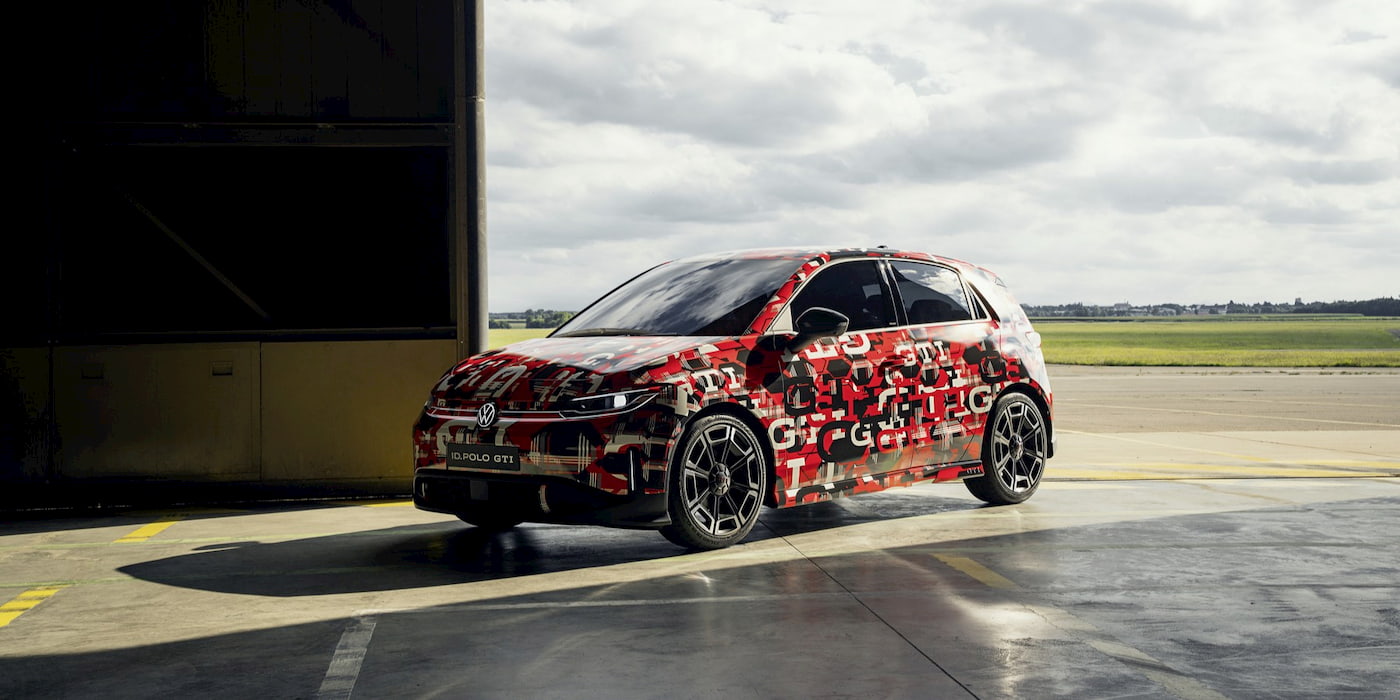
Volkswagen’s iconic GTI badge is about to enter a new era. After 50 years of gasoline-powered hot hatches, the German automaker is preparing to launch its first electric GTI later this year. But that’s not all—VW is already developing a Clubsport version of the electric hot hatch, and it will borrow a groundbreaking feature from Hyundai: the virtual gearshift system, similar to the N e-shift found in the Hyundai Ioniq 5 N. This guide explores what this means for driving enthusiasts, how the technology works, and what to expect from the upcoming model.
Prerequisites
To fully understand this guide, you should have:
- Basic knowledge of electric vehicle (EV) drivetrains and regenerative braking
- Familiarity with Volkswagen’s GTI and Clubsport heritage
- Understanding of Hyundai’s N e-shift and N Active Sound+ from the Ioniq 5 N
- Interest in performance-oriented EVs (optional but helpful)
Step-by-Step Guide: How VW’s Electric Clubsport Will Mimic a Manual Gearbox
Step 1: Understand the Problem – Why Electric Hot Hatches Need Virtual Gears
Traditional GTIs are loved for their manual transmissions, tight shifting, and engaging engine note. In an EV, there’s no multi-speed gearbox—just a single-speed reduction gear. This eliminates physical gear changes, reducing driver involvement. To recreate the thrill, automakers like Hyundai have developed virtual gearshift systems that simulate gear changes using software. Volkswagen’s Clubsport version aims to do the same, combining the instant torque of an EV with the tactile feedback of a manual.
Step 2: How Hyundai’s N e-Shift Works (The Feature Being Borrowed)
Hyundai’s Ioniq 5 N introduced a virtual gearshift system (N e-shift) that uses the car’s electric motor and inverter to mimic a dual-clutch automatic. When the driver uses steering wheel paddles, the system momentarily limits torque, simulating a shift shock. The result is a subtle jolt and a change in motor note (via speakers). VW is likely adopting this exact principle, possibly with its own tuning. The system also includes an N Active Sound+ that plays engine noises synthesized to match the virtual gear.
Step 3: VW’s Implementation in the Electric GTI Clubsport
Volkswagen will integrate a similar virtual gearshift into the Clubsport’s drive control software. Key aspects:
- Paddle shifters on the steering wheel will allow manual override.
- 8 virtual gears (matching a traditional DSG) with adjustable shift speed.
- Sound generator inside and outside the cabin, tuned to mimic the growl of a turbocharged inline-4.
- Shift feel created by inverter torque management—briefly cutting power by 10–20% for 50ms during a “shift”.
Step 4: Performance Modes and Customization
The Clubsport will likely offer multiple driving modes:
- Eco/Comfort – seamless acceleration, no virtual shifts.
- Sport/GTI – enables virtual gear changes, aggressive sound.
- Rally/Drift – modified shift logic for sideways fun (reducing power to rear wheels).
- Custom – adjust shift aggressiveness, sound volume, and regeneration.

Step 5: Expected Range and Performance Impact
Using virtual gearshifts does affect energy efficiency. Brief torque reductions during shifts waste a tiny amount of energy, but engineers claim < 1% range loss in normal driving. However, the added driver engagement could encourage more spirited driving, which will reduce range. Expect the Clubsport to have a slightly lower EPA range (maybe 5–10%) compared to a standard ID.4 or ID.3 GTI. Performance figures: likely 0–60 mph in ~4.5 seconds, top speed governed at 155 mph.
Common Mistakes and Misconceptions
- Mistake 1: Confusing virtual shifts with real gears. This is software simulation; there is no mechanical transmission. No clutch, no gearbox. The motor still spins at the same speed relative to wheel speed.
- Mistake 2: Thinking it reduces range drastically. The simulated shifts involve minimal energy loss. Only aggressive full-throttle driving will impact range noticeably.
- Mistake 3: Expecting the exact same behavior as Hyundai’s Ioniq 5 N. VW will tune it differently—likely a bit softer and more refined, to match the GTI’s character.
- Mistake 4: Believing the sound is real engine noise. It’s synthesized through speakers. Some aftermarket solutions may be available to disable it.
- Mistake 5: Overlooking the Clubsport chassis upgrades. Beyond the virtual shift, the Clubsport will have stiffer suspension, bigger brakes, and wider tires—essential for the extra power.
Summary
Volkswagen’s first electric GTI Clubsport is on track for 2025, borrowing Hyundai’s virtual gearshift system to deliver an engaging, manual-like experience in an EV. By understanding how the system works—torque manipulation via the inverter, synthesized engine sounds, and paddle-shifted “gears”—enthusiasts can appreciate the innovation while recognizing its limitations. The Clubsport will not replace a traditional manual, but it will bridge the gap between eco-friendly EVs and visceral driving fun. Prepare for a new era of hot hatches.
Related Articles
- Mastering Dataset Migrations: A Step-by-Step Guide Using Background Coding Agents
- Mastering Flutter and Dart at Google Cloud Next 2026: A Developer's Guide
- Flutter and Dart Launch 'Agent Skills' to Close AI Knowledge Gap for Developers
- Louisiana Army Base Unveils $30 Million Geothermal System in Historic Energy Shift
- Honda's EV Retreat: Unpacking the $11 Billion Canada Factory Shutdown and What It Means
- Ride1Up Upgrades Its Popular Roadster V3 With Front Suspension: What You Need to Know
- 6 Key Takeaways from China's Latest EV Wave: Beijing Auto Show, Xiaomi, BYD, and Home Batteries
- How to Craft an Energy Crisis Response Plan: Lessons from Europe's 2026 Package