The 'Date Cancelled' Meme: From User Humor to Brand Hijacking
Modern dating is a minefield of paradoxes, social awkwardness, and algorithm-driven decisions. Enter the 'Date Cancelled' meme, a viral trend on Threads where users share their most absurd or deal-breaking dating moments. What started as a playful outlet for singletons to vent has quickly been co-opted by big brands like Starbucks and Chipotle, sparking a backlash that proves not everything needs a corporate twist. Below, we break down the phenomenon, its funniest examples, and why brand participation often backfires.
What exactly is the 'Date Cancelled' meme?
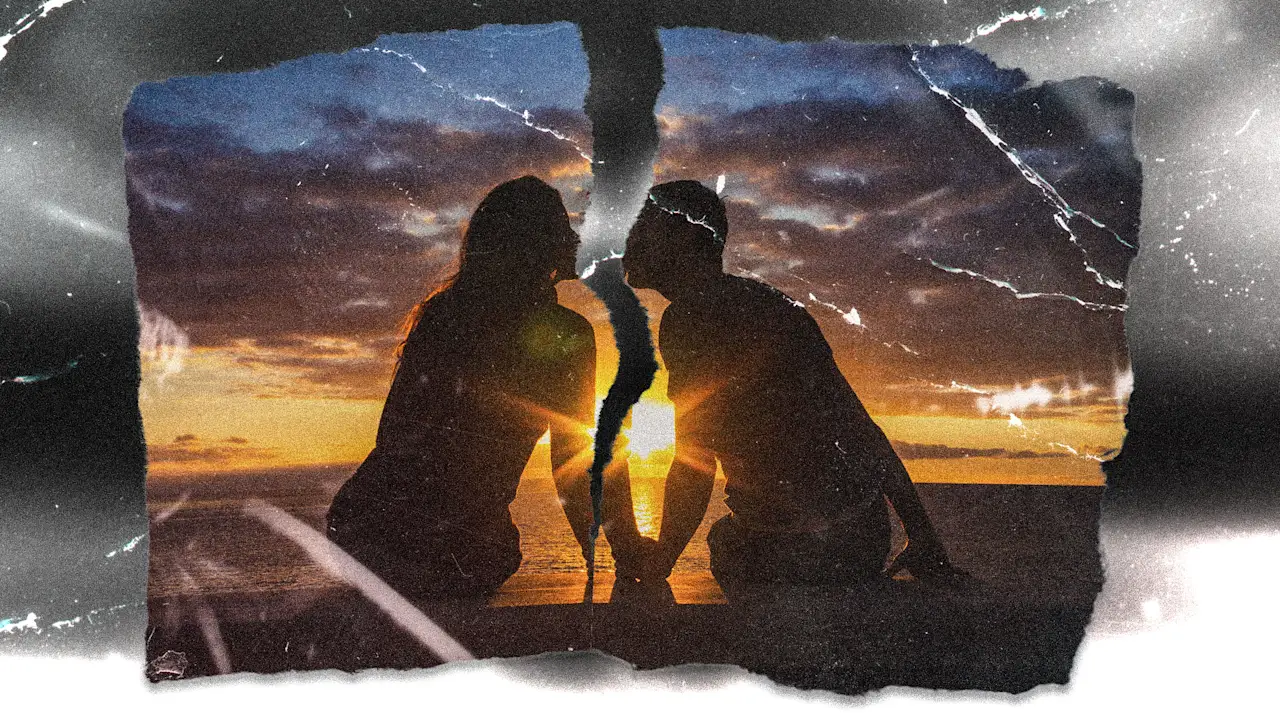
The 'Date Cancelled' meme follows a simple but addictive template. Users post the phrase 'Date cancelled' followed by a specific deal-breaker or 'ick' they've encountered on real dates. It's a way to laugh at the ridiculousness of modern romance, from grammar pet peeves to pop culture ignorance. The format thrives on platforms like Threads, where Meta's 'invisible ink' feature lets people share without their entire network seeing. The posts range from lighthearted—like canceling a date over a TV show obsession—to more serious warnings about red flags such as misogynistic language or anti-therapy attitudes. This blend of humor and genuine criticism has made the meme a cultural touchstone for disgruntled daters.
Can you give some examples of user-generated 'Date Cancelled' posts?
Absolutely. The humor often lies in hyper-specific quirks. One user on Threads claimed, 'Date cancelled. She couldn’t miss Grey’s Anatomy (happened with two different women).' Another cracked, 'Date cancelled. I said May the fourth be with you. He said he wasn’t Catholic.' For grammar nerds, one shared, 'Date cancelled. He doesn’t use the Oxford comma.' And referencing the hit novel Fourth Wing, a user wrote, 'Date cancelled. He didn’t know the difference between a wyvern and a dragon.' But it's not all jokes. Some posts highlight genuine issues: 'Date cancelled. He refers to women as females,' or 'Date cancelled. He thinks therapy is a waste of money.' These examples show how the meme walks the line between silly and serious, making it relatable to a wide audience.
Which brands jumped on the trend, and how?
When a meme gains traction, brands inevitably try to ride the wave—and 'Date Cancelled' is no exception. Chipotle posted, 'Date cancelled. They use a metal fork,' playing on their burrito culture. Audi, Pizza Hut, Ben & Jerry’s, Walmart, and even PBS joined in, each adding a corporate spin. Starbucks famously wrote, 'Date cancelled. Doesn’t even like pumpkin spice latte.' But these attempts often feel tone-deaf because they lack the authentic frustration of real daters. Users quickly called out the inauthenticity, with one replying to Chipotle, 'Date cancelled. The corporations got ahold of the trend and ruined it.' The trend's original charm—honest, sometimes painful dating stories—clashes badly with corporate humor, which often comes across as shallow marketing.
What backlash did brands face for participating?
The backlash was swift and pointed. For controversial companies like Starbucks, participation reopened wounds. When Starbucks posted their pumpkin spice latte joke, users fired back with serious critiques: 'Date cancelled. Provides poor working conditions for employees,' and 'Date cancelled because you’re moving HQ to Nashville—a state that stripped women of reproductive rights.' This turned a lighthearted meme into a platform for protest. Other companies like Chipotle faced similar mockery, with users highlighting their labor issues or food quality. The core problem is that brands don't belong in a space meant for vulnerable, personal sharing. Their attempts at humor feel hollow and often highlight their own hypocrisy, leading to more damage to their reputation than any engagement boost.
How has the meme impacted the way we talk about dating online?
The 'Date Cancelled' meme has given daters a structured yet creative way to share red flags without being preachy. It normalizes setting boundaries and laughing at absurd situations, making dating culture less fraught. The format also encourages specificity—instead of vague complaints, users must pinpoint exact moments that ruined their interest. This has spun off into discussions about deal-breakers, communication styles, and even pop culture literacy. On the flip side, the brand invasion has sparked a broader conversation about what content should remain off-limits to marketing. Many users now see meme trends as sacred ground for genuine human connection, and they aggressively reject corporate appropriation. As a result, the meme may ultimately strengthen community resistance against inauthentic brand behavior.
Will brands continue to hijack dating memes, or have they learned their lesson?
If history repeats, brands will keep trying to co-opt organic trends—but the backlash from 'Date Cancelled' might give them pause. The user response was notably fierce, proving that audiences can distinguish between relatable humor and transparent marketing. Brands that succeed usually do so by adding value or showing self-awareness, such as a dating app posting about hilarious icks. However, fast-food chains and corporate giants inserting themselves into personal frustrations rarely win hearts. The lesson for brands is clear: know your audience, respect the context, and avoid trivializing genuine dating struggles. Until they learn that, the 'Date Cancelled' meme will remain a case study in how not to engage with internet culture—and a reminder that some spaces are best left to the people.
Related Articles
- Breaking: New Bridge Unites Mastodon, Bluesky and Other Federated Social Networks – Seamless Cross-Posting Now Possible
- Building an Amiable Online Community: Lessons from the Vienna Circle
- The Transparency Advantage: How Clear Packaging Boosts Product Desirability and Sales
- Cultivating Amiable Web Communities: Design Lessons from the Vienna Circle
- 10 Reasons Why Saying 'I'm Fine' Could Be Hurting Your Health
- Billionaire Ken Griffin Blasts NYC's Luxury Tax Plan, Warns of Exodus to Miami
- The Sleeper Threat: How Malicious Ruby Gems and Go Modules Target CI/CD Pipelines
- Why Xiaomi’s Variable Aperture Shows Samsung and Google Are Falling Behind in Smartphone Photography