IBM Unveils AI Operating Model: 8 Key Questions Answered
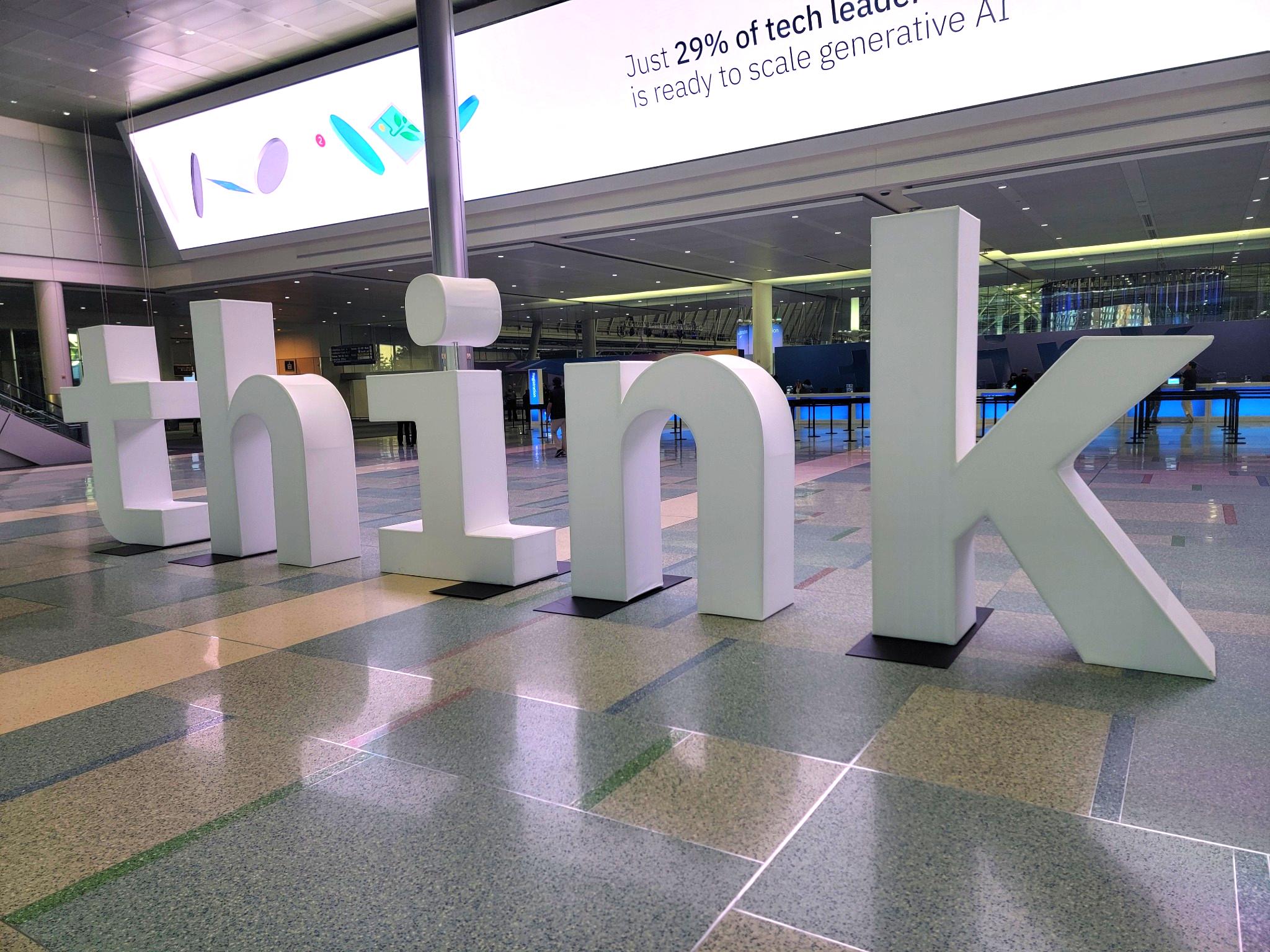
At the Think 2026 conference, IBM introduced a broad expansion of its enterprise artificial intelligence portfolio, centered on a new “AI operating model” designed to move organizations beyond initial experimentation toward tangible business outcomes. This comprehensive framework encompasses agent orchestration, real-time data integration, hybrid cloud operations, and digital sovereignty. Below, we answer eight crucial questions about what this means for enterprises.
1. What is IBM’s new AI operating model?
IBM’s AI operating model is a strategic framework that integrates agent orchestration, real-time data pipelines, hybrid cloud infrastructure, and digital sovereignty into a cohesive system. Unlike previous piecemeal approaches, this model treats AI as a core operational layer that automates decision-making across the enterprise. It enables organizations to deploy AI agents that can interact, share context, and execute tasks autonomously, while ensuring data remains compliant with local regulations. The model is built on open standards and leverages IBM’s watsonx platform to provide a unified control plane for managing AI workloads across on-premises, edge, and public cloud environments. By shifting focus from isolated experiments to an integrated operating system, IBM aims to help clients achieve measurable returns on their AI investments more rapidly.
2. How does agent orchestration fit into this model?
Agent orchestration is a cornerstone of IBM’s AI operating model. It refers to the coordination of multiple AI agents—each specialized for specific tasks—to work together seamlessly. For example, one agent might handle customer sentiment analysis, while another manages inventory optimization, and they share insights in real time. IBM provides a central orchestration layer that assigns tasks, monitors performance, and resolves conflicts among agents. This allows enterprises to automate complex workflows that would otherwise require human intervention. The orchestration engine also supports human-in-the-loop oversight, enabling users to approve critical decisions. By connecting agents across departments like sales, supply chain, and IT, companies can create an adaptive, self-improving system that learns from new data and feedback, driving continuous efficiency gains.
3. What role does real-time data integration play?
Real-time data integration ensures that AI agents have access to the most current information to make accurate decisions. IBM has enhanced its watsonx.data and IBM Data Fabric to support streaming data from IoT devices, transactional systems, and external sources. This eliminates the latency typical of batch processing, allowing agents to react instantly to changes in demand, equipment status, or market conditions. The integration layer also handles data governance, automatically applying privacy policies and anonymization rules. For instance, a retail agent can adjust pricing in real time based on competitor data and inventory levels, without human delay. By combining real-time feeds with historical analytics, the model provides a holistic view that balances short-term responsiveness with long-term strategic planning.
4. How does this model support hybrid cloud operations?
IBM’s AI operating model is built for hybrid cloud environments, where workloads run across multiple clouds and on-premises data centers. The IBM Cloud Pak for Data and Red Hat OpenShift serve as the foundation, enabling consistent deployment of AI agents regardless of underlying infrastructure. This flexibility is critical for enterprises that must keep sensitive data on-premises while leveraging cloud scalability for less sensitive tasks. The model also includes a unified management console for monitoring AI performance, costs, and compliance across all environments. By abstracting infrastructure complexities, IBM allows developers to focus on building and refining agents, while operations teams maintain control over security and resource allocation. This approach reduces vendor lock-in and supports a gradual migration strategy, where companies can start with private cloud and expand to public cloud as needed.
5. What is digital sovereignty and why is it important?
Digital sovereignty refers to an organization’s ability to maintain control over its data and AI models, ensuring they comply with local laws, industry regulations, and ethical standards. In IBM’s model, sovereignty is addressed through confidential computing, data residency options, and audit trails. For example, a bank in Europe can deploy AI agents that process customer data only within EU data centers, using encrypted flows that even IBM cannot access. This is crucial as regulations like GDPR and the EU AI Act impose strict requirements on data usage and explainability. IBM also provides tools for governance of AI agents, including bias detection and model lineage tracking. By embedding sovereignty into the operating model, enterprises can innovate without risking legal penalties or reputational damage, building trust with customers and regulators alike.

6. How will this help enterprises move beyond experimentation?
Many enterprises have piloted AI in isolated projects but struggle to scale them for production. IBM’s operating model addresses this by providing a standardized blueprint for deployment and monitoring. It includes pre-built agent templates, integration libraries, and performance dashboards that reduce the time from prototype to live system. The model also emphasizes measurable returns through key performance indicators tied to business outcomes, such as reduced operational costs or higher customer satisfaction. By federating data across silos and orchestrating agents that can work together, the model creates compound value that individual experiments often miss. IBM offers consulting services and a marketplace of certified agents to accelerate adoption. With this holistic approach, enterprises can transform AI from an experimental project into a core driver of operational efficiency and revenue growth.
7. What are the key technologies behind this announcement?
The AI operating model relies on several IBM technologies: watsonx.ai for foundation model training and deployment, watsonx.data for data management, and watsonx.governance for compliance. Agent orchestration is powered by the IBM AI Orchestrator, which uses a rule engine and reinforcement learning to coordinate agent actions. Real-time integration is supported by IBM Event Streams (based on Apache Kafka) and IBM Streams. Hybrid cloud operations run on Red Hat OpenShift and IBM Cloud Satellite for edge computing. For digital sovereignty, IBM Cloud Hyper Protect Services provide confidential computing. Additionally, IBM Consulting offers a suite of accelerators and industry-specific solutions. These components are designed to work together out-of-the-box, reducing the integration burden on IT teams.
8. How does this differ from previous IBM AI efforts?
Earlier IBM AI initiatives, such as Watson Health or original Watson engagements, often focused on single use cases (e.g., medical diagnosis) and were criticized for being overly complex or inflexible. The new operating model shifts from a point-solution approach to a systems approach, where AI is embedded as an organizational capability. It emphasizes modularity, interoperability, and open-source components (e.g., Red Hat OpenShift, Apache Kafka), allowing clients to mix and match technologies without vendor lock-in. Additionally, IBM now provides a comprehensive governance layer from day one, whereas earlier offerings often added compliance as an afterthought. The focus on sovereignty reflects changing regulatory landscapes, and the inclusion of agent orchestration addresses the need for multi-agent collaboration rather than isolated models. This evolution shows IBM learning from past challenges to deliver a more practical, scalable enterprise AI solution.
Related Articles
- Bitcoin's Bearish Breakout: 10 Critical Factors Behind the Slide Below $78,500
- 5 Key Takeaways from Datadog's Surprise Earnings Beat: Why Software Stocks Are Rebounding
- 10 Things You Need to Know About Building Fintech Backend Systems
- Navigating AI in Banking: Balancing Speed, Sovereignty, and Model Selection
- Hibernate Date Query Pitfall: Developers Warned of BETWEEN Operator Limitations
- How to Trade Market Acronyms: From TACO to NACHO
- 8 Milestones in Square's Bitcoin Journey: From 1 Million Merchants to Everyday Cash
- 7 Key Insights from Cerebras' Mega IPO, Cisco's Stellar Quarter, and the Rise of AI Factories